Search Site

Caring For Your Collections: How to Protect and Preserve Your Family Heirlooms

Simple Tips for Home Care

You can take small steps at home to prevent damage and slow down deterioration of your cherished items. At Winterthur, and at other museums, we call this preventive conservation and have staff members dedicated specifically to that work. Preventive conservation is a lot like preventive medicine. Everything that is man-made or from nature decays; think of it as nature’s recycling plan. To protect and preserve the museum collection, our staff works to slow the rate of that decay by managing things like insects and pests, light exposure, and the environment via heating and air conditioning. Here are some tips that you can use at home:

1. Housekeeping

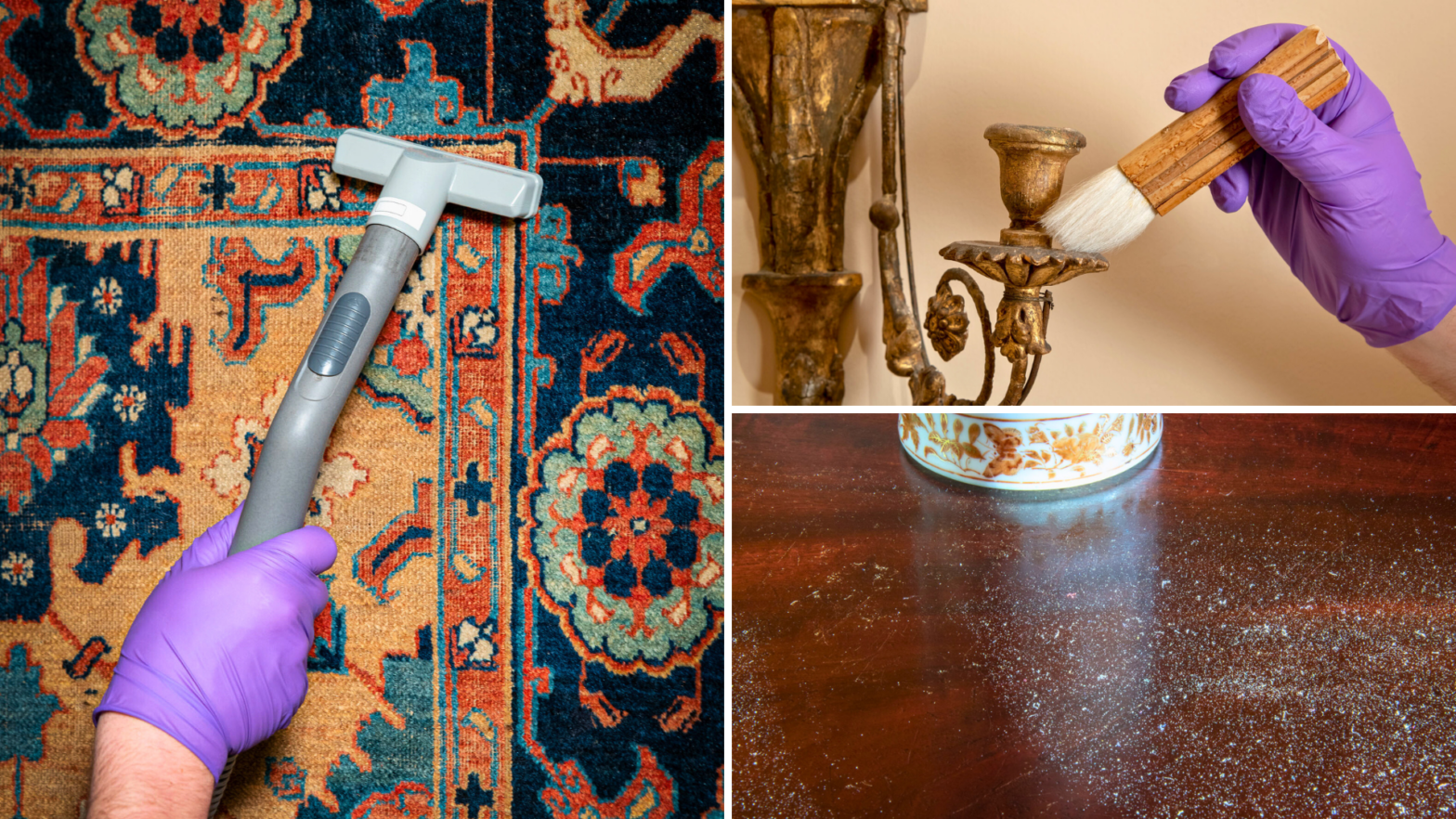
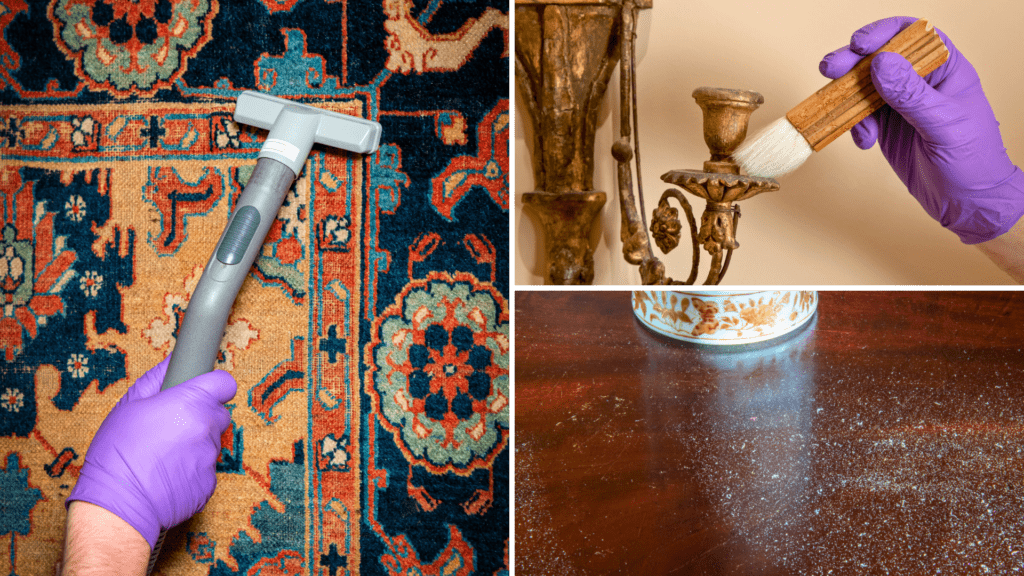
Good housekeeping is an important part of protecting items that you want to last. Cleaning inside includes regular dusting and vacuuming, and dry-cleaning fine clothes after use and before storage. Outside, cleaning gutters and downspouts to prevent leaks can all help. Dust holds moisture, which can rust metals and encourage mold growth.

2. Pest Control

Insects like dark, undisturbed spaces. If you clean regularly, you’ll probably spot early signs of an infestation, like insect droppings, which may just look like dust. If pests are eating your items, a thorough vacuuming can help. For example, carpet beetle larvae like to hide in cracks where hair and skin particles collect, so you may notice that your carpet has damage that follows the pattern of the flooring. For items that can withstand high heat, place them in a black trash bag and leave them in your car trunk while parked in direct sunlight for several hours to kill any pests.

3. Storage

We don’t recommend storing objects in attics or basements because it’s difficult to maintain a stable environment. Basements have issues with moisture and can flood, and attics can have seasonal temperature extremes; too cold temperatures can cause shrinking and cracking, while temperatures that are too hot can cause swelling and warping. Also, temperature and humidity work hand in hand and can cause chemical reactions and encourage mold or insect growth. We recommend storing cherished items in spaces that you live in and use.

4. Record Keeping

Write down the history of your items—who gave them to you, who is in the photos, and why they are important. This helps preserve their significance and keeps the information safe for future generations. Be sure to back up digital records and print copies for long-term use.

5. Storage Methods and Materials

Museum-quality storage materials are often called archival, acid-free, or buffered, among other names. They can be expensive for homeowners, but you can use everyday items you already have instead. For example, undyed/unbleached cotton pillowcases can protect a quilt, and rolled towels can be used to store a rolled carpet. If you need a more rigid storage method for rollable items, use a poster tube covered in aluminum foil, which acts as a barrier against moisture.

6. Light Protection

We all know that ultraviolet light is bad; it causes sunburn and can accelerate fading on some materials. Regular visible light, the light we use to see, can also cause slow, cumulative damage. It may take years to notice the subtle changes. To protect sensitive items like basketry and wood, textiles, and works on paper, avoid displaying them in direct sunlight. Use curtains, shades, or window films (replace every 15 years) to limit exposure to harmful light. You may also want to have covers made for your framed object so that when you aren’t enjoying the work and displaying it, it’s completely covered. 

For more tips, check out our book Caring for Your Cherished Objects, available in the Winterthur Museum Store.

See also our Hazardous Objects blog, the first in our Caring For Your Collections Blog Series.

Other useful links:
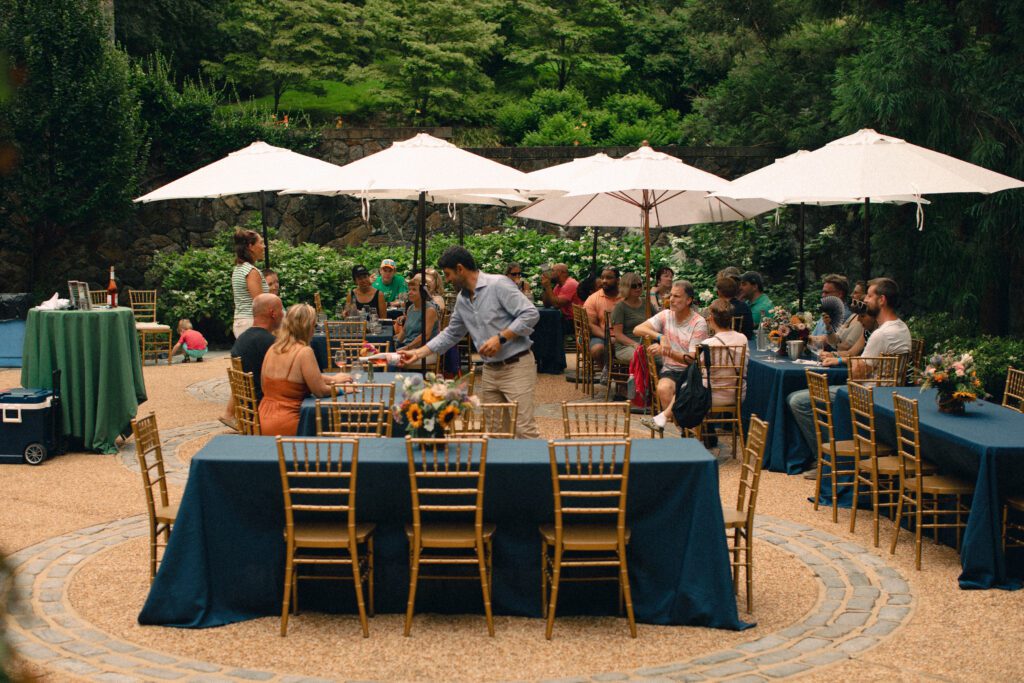
Winterthur Décor Rental Pieces

Discover wedding and event rental items inspired by Winterthur’s timeless charm and refined aesthetic. Add these unique elements and elevate your celebration.

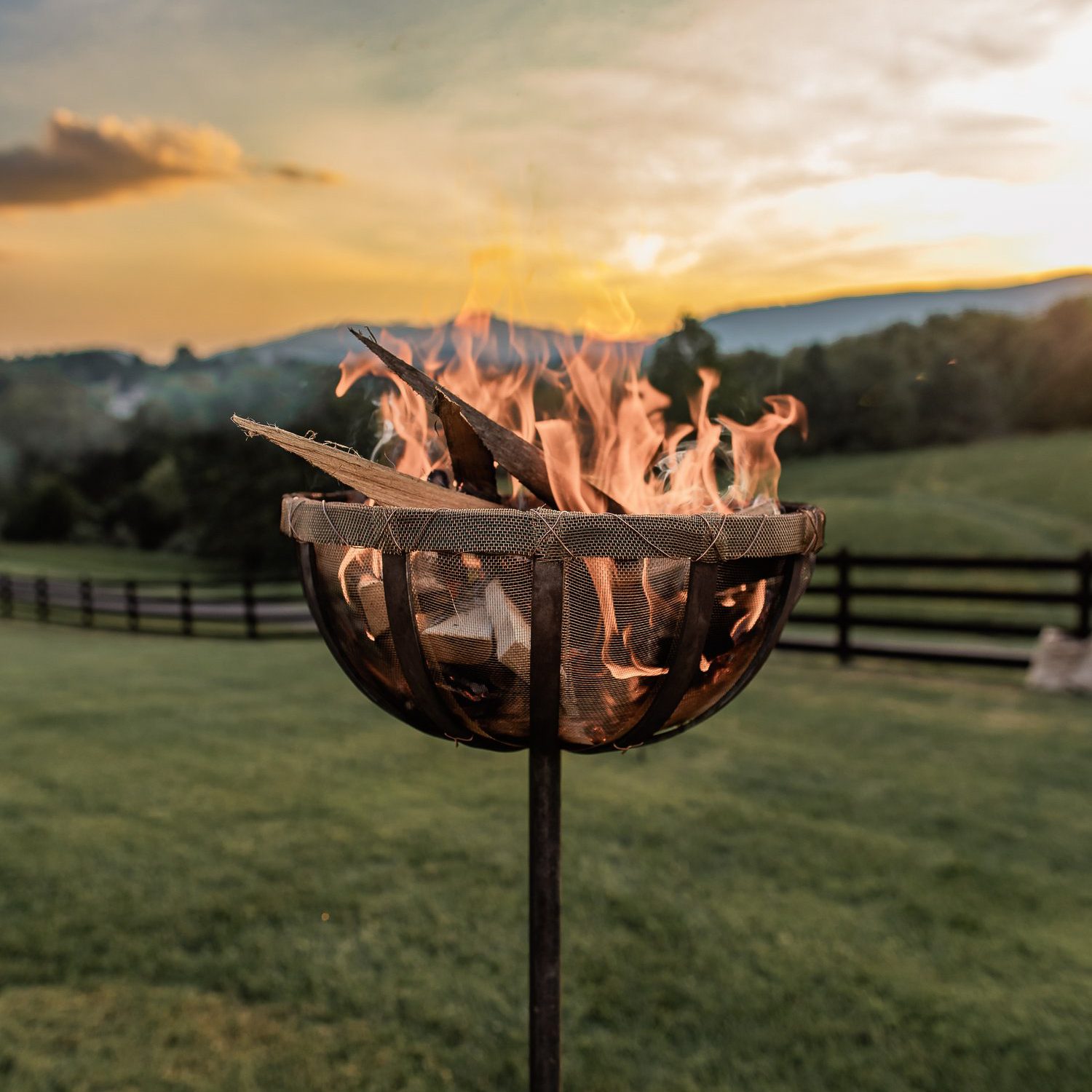
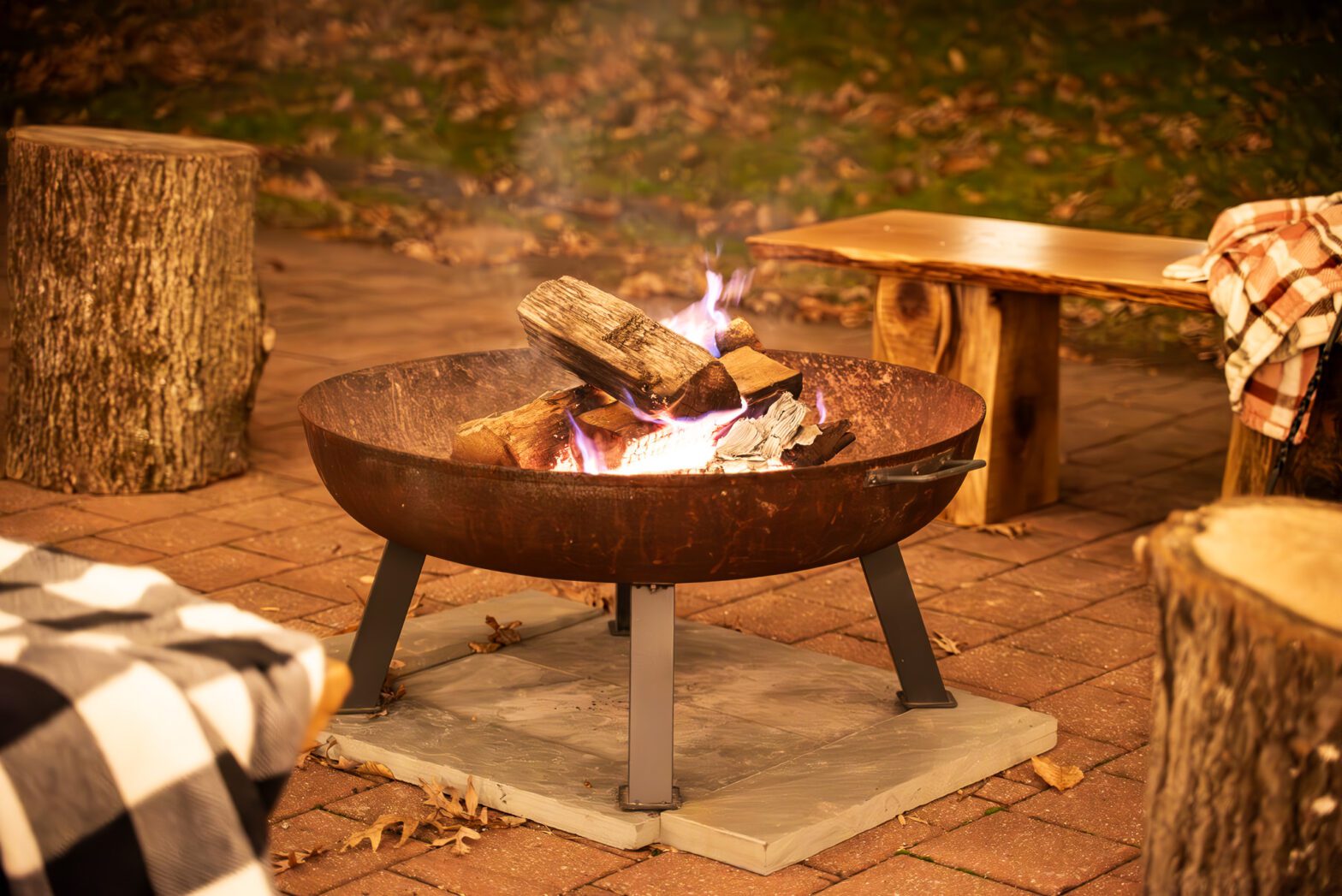
Cast-Iron Fire Pit Bowl

  • Cast-iron fire pit bowl that is both classic and charming. Includes benches or tree stumps for seating. Great for creating a cozy setting or roasting marshmallows.
  • $250 per fire pit

Rustic American Oak Wine Barrel

  • American oak wine barrels perfect for small cocktail tables, rustic décor, or the base for a bar or table. 
  • 22″ wide x 36″ high
  • $65 per barrel

Parisian-inspired Market Stand

  • Parisian-inspired market stand that is perfect for welcome cocktail, gift table, or any other way to add flare to the evening. 
  • 6′  long x 3 1/2′  wide x 40″  high 
  • $350 per stand

Barrel Bar with Wood Live Edge

  • Wine barrels with live-edge wood table top. Perfect for bars, grazing tables, escort cards, dessert tables, and more!
  • 7′ long
  •  $220 per barrel bar

Chiavari Gold Chairs

  • Wooden Chiavari chair in classic gold finish with subtle metallic sheen with tan cushion included. 
  • 16″ wide x 3″ high
  • $12 per chair

Flameless Candles

  • Illuminate your evening with hundreds of flameless candles. Various sizes available (4″, 5″ and 7″).
  • $2 per candle

Market Umbrellas

  • Market umbrella available in navy and/or ivory. 9′ high
  • $65 per umbrella

Damage and setup fee: 15% of total rental expense

Caring for Your Collections

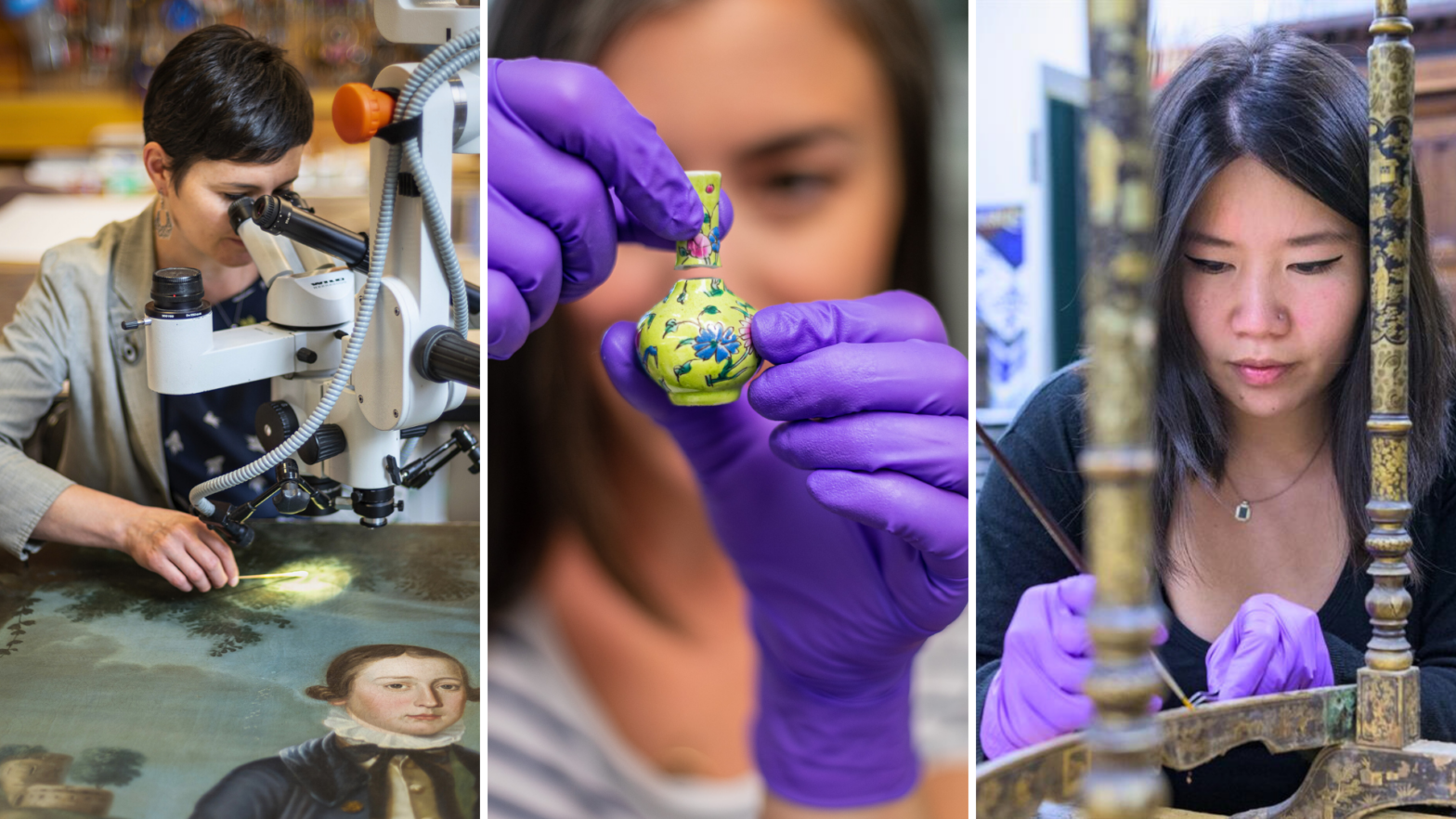
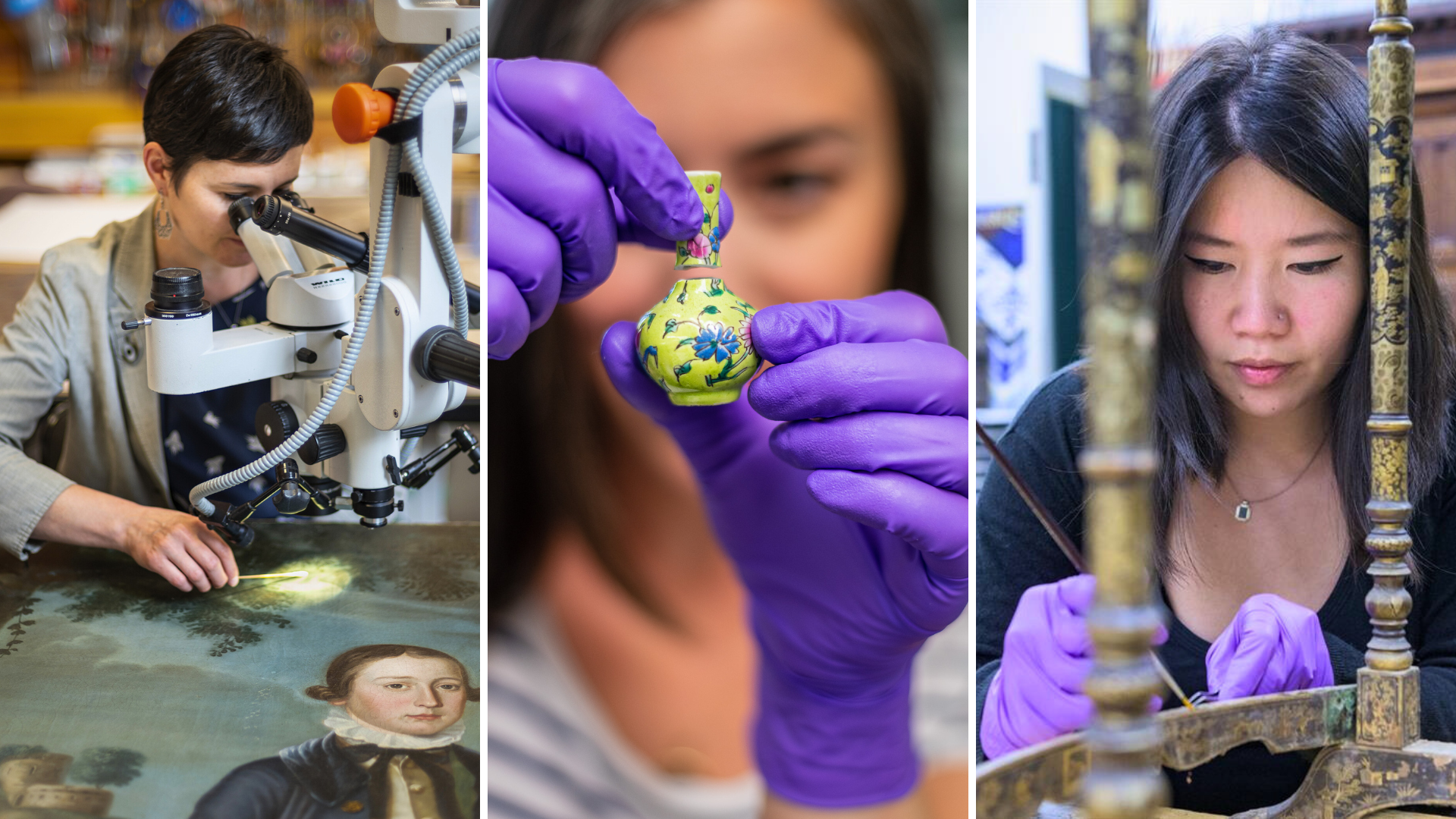
Whether they are tracking pests, finding poison books, fixing a broken porcelain teacup, or preserving historic wallpaper, the conservators at Winterthur combine their knowledge of art, science, and history to preserve our cultural heritage.

Tucked away in a separate building and often unseen by the thousands of visitors to the museum and garden, our team of eighteen specialists includes conservators, scientists, technicians, and other experts who focus on conserving a wide array of objects, including furniture, paper, textiles, paintings, library materials, architectural elements, garden furniture and ornaments, and more. They care for more than 90,000 objects and more than one million library holdings, all while consulting with other institutions and educating the next generation of conservators.

The preventive conservation team also manages all collections storage and display spaces across the estate. Known worldwide for its expertise in conservation, the department, with its on-site state-of-the-art Scientific Research and Analysis Laboratory, uses its expertise to advance scholarship, scientific education, and conservation research  within and beyond the Winterthur collection.

Graduate programs, lab tours, public events, school programs, and community conservation clinics are all part of the team’s commitment to education and outreach. In Caring for Your Cherished Objects: The Winterthur Guide, a recently published book, our conservators offer practical advice on how to protect your belongings, including tips on proper storage and display. The guide helps readers understand which items are most fragile and how to avoid damaging them.

This blog series shares the best ways to care for objects, drawn from the book. You’ll find advice for handling and storing books, artwork, textiles, and photographs, and additional tips on topics like the opening blog about identifying harmful materials in collections. We want you to get a behind-the-scenes look at the fascinating world of conservation and inspire you to care for your own cherished items. 

Hazardous Objects

Why would someone collect things that are hazardous, you might be wondering. Most don’t do it intentionally. During the 19th century, advances in manufacturing led to the use of more hazardous substances. So, some objects are dangerous on their own because of the materials that they are made from. Others become risky over time as their materials degrade.

Common objects that could be hazardous include:

  • Firearms: These may still contain explosives and be dangerous.
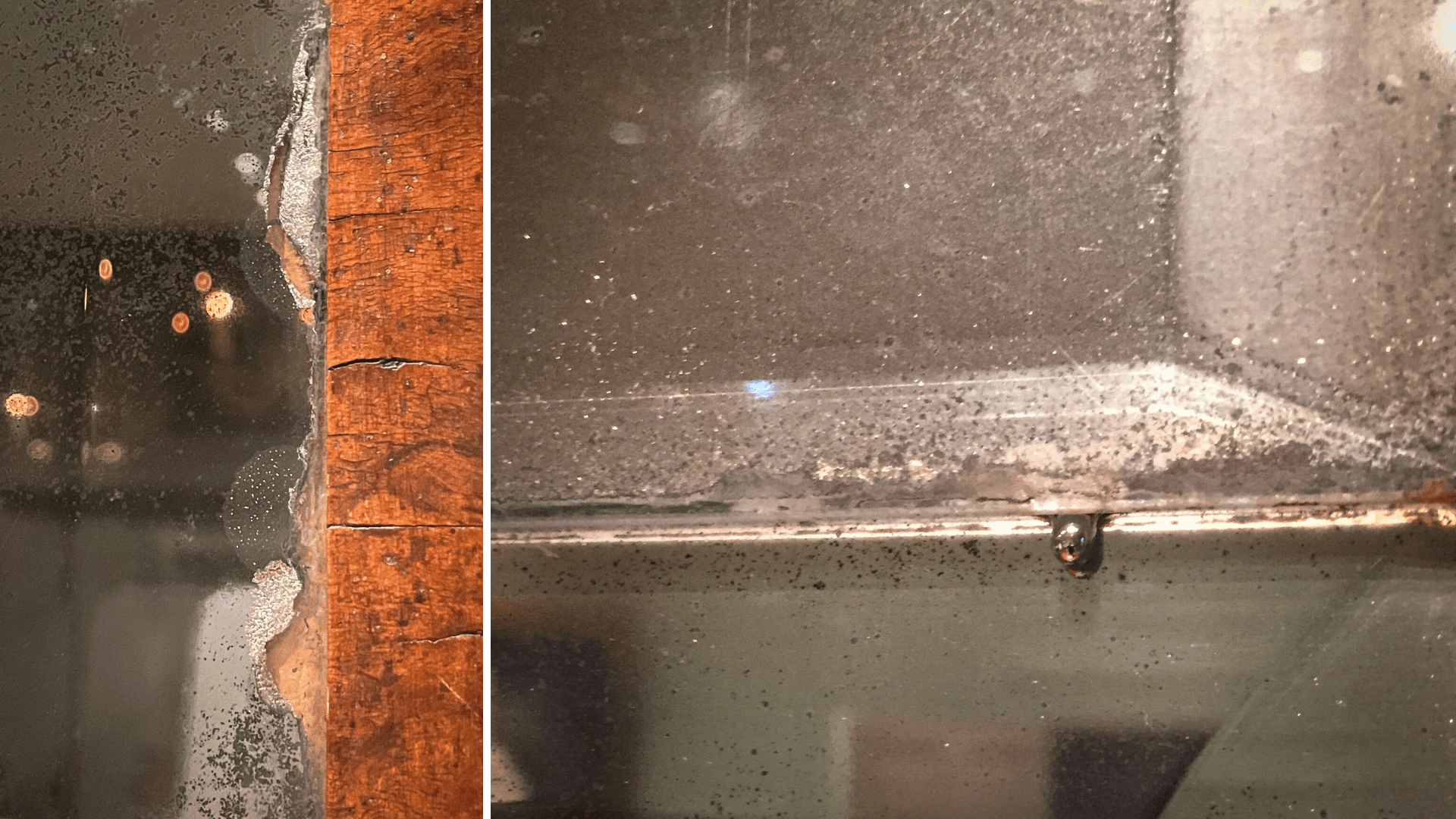
  • Tin and mercury amalgam mirrors: Over time, these can release liquid mercury.
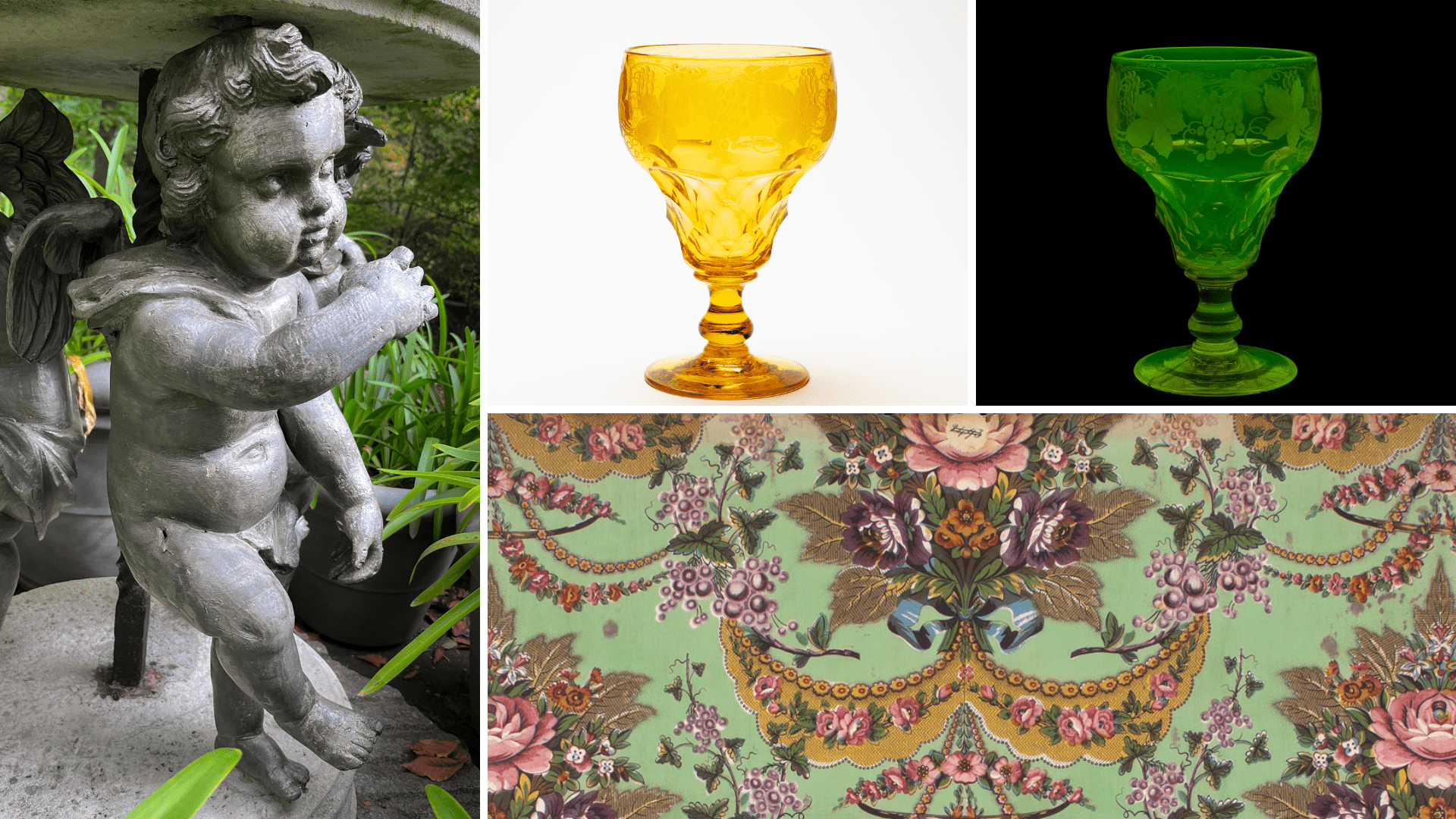
  • Lead objects: Handling lead items can leave behind harmful residues.
  • Arsenic green: This colorant, often found in book cloth and historical papers, can turn into a powder that’s hazardous when touched.
  • Uranium glass: This glass releases small amounts of radiation.
  • Dyed or printed textiles: These may contain harmful chemicals like arsenic, lead, and chromium from their production process.
  • Wool and other animal-based fibers: If they were treated with pesticides, harmful residues can remain on the material, which can be transferred to your hands and skin.

In addition, organic materials like textiles, feathers, fur, and plants are sometimes treated with pesticides that contain heavy metals or solvents, adding another layer of risk. Even objects that seem safe might be dangerous due to contamination, such as leather bags that may contain lead shot from use.

How to determine if an object is hazardous:

To determine if an object is hazardous, there are several signs to look for, even if you don’t have access to special equipment.

  • Condition of Organic Objects: If objects like textiles, wool, feathers, or botanical items are in perfect condition with no signs of pest damage, they may have been treated with  pesticides. The presence of a strong smell could mean that the object has been treated to keep pests away.
  • Mirrors: If you have a mirror from the 19th century or earlier, check for a blue-gray hue and signs of fading reflection. This could mean it was made with a tin/mercury amalgam, which can release mercury droplets over time. Mirrors made after 1850 typically do not contain mercury.
  • Vibrant Dyes: Some older textiles, especially those in bright colors or certain shades of green, might contain arsenic, lead, or chromium. These substances are usually bound to the fabric, so they are generally safe to touch, but it’s recommended to wear gloves as a precaution. Books made with arsenic-based dyes can sometimes be identified visually.

What to do if you suspect a hazardous object:

If you think you have a hazardous object in your home, don’t worry! Most objects can be handled safely with a few precautions:

  • Keep it out of reach of children or pets: If the object is accessible to children or animals, move it to a safer place, such as a locked cabinet or box, and label it as hazardous.
  • Protect yourself: Wear gloves when handling any potentially hazardous organic objects, as they may have been treated with chemicals. If you don’t have gloves, wash your hands thoroughly before and after handling.
  • Firearms: If you have a historic firearm, have it checked by your local police or a firearms expert to make sure it is not loaded or dangerous.
  • Repurposing: If you plan to reuse these materials for something else, think about how they will be handled and whether they could pose a risk.
  • Consult a conservator: You can bring your objects to Winterthur’s Conservation Clinic, which is held in September, October, November, December, March, and April, for a professional assessment of their safety. 

Explore more!

Visit our Conversations with the Collection exhibition in the Galleries beginning March 1 to learn more about how we deal with hazards at Winterthur!

Interested in visiting the Conservation labs? Join one of our monthly behind-the-scenes tours

Sign up for a free consultation with our conservation staff and students to learn about how to take care of your family treasures. 

Useful links:
Holiday Market

November 22, 2025

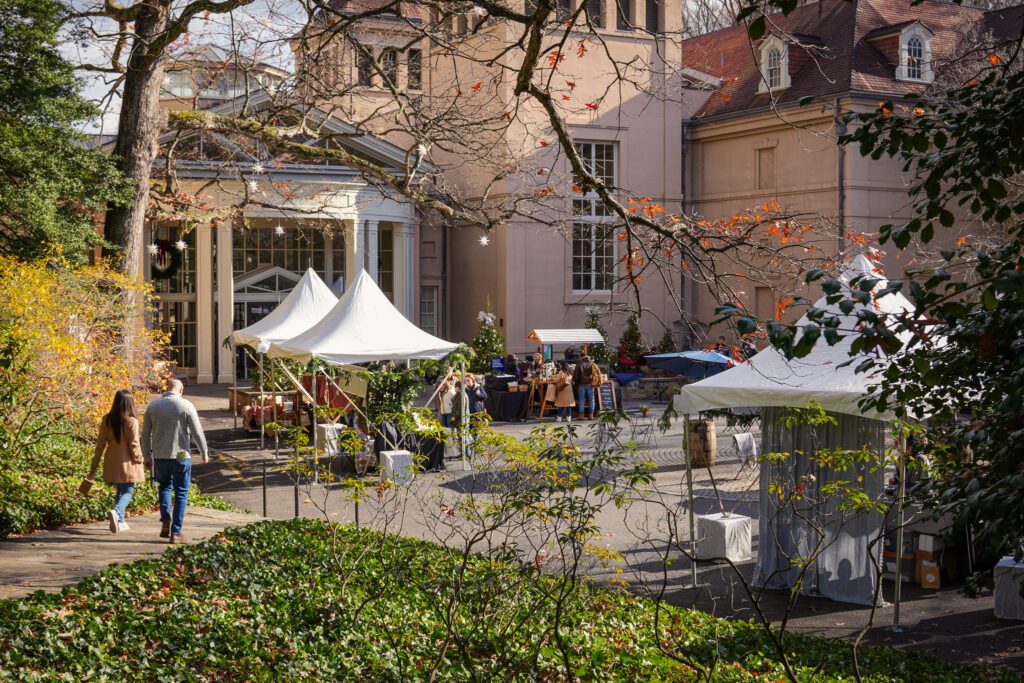
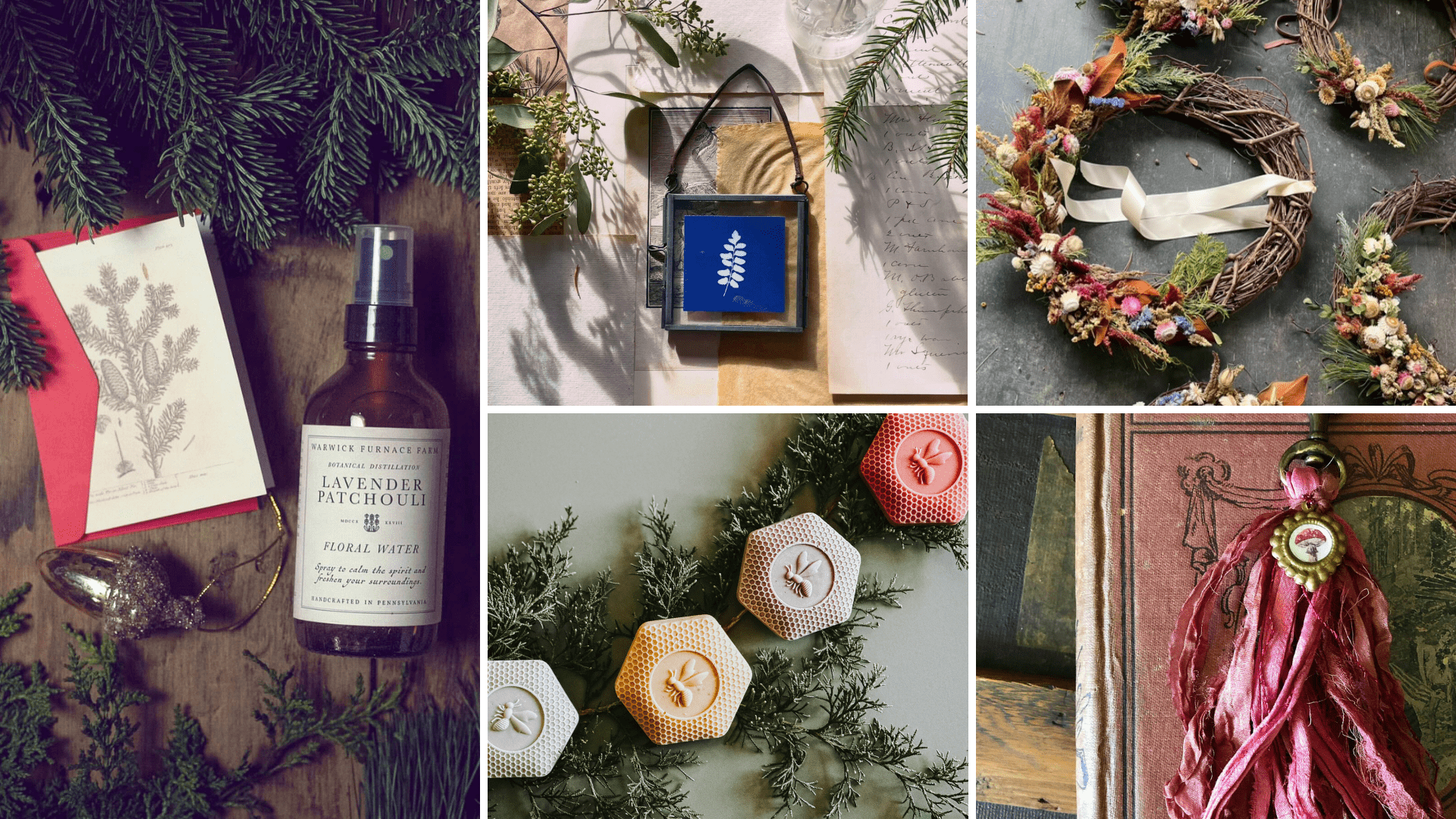
Sold out! Holiday Market at Winterthur marks the festive beginning of the Yuletide season. Experience the magic of handmade artistry and timeless holiday charm. 

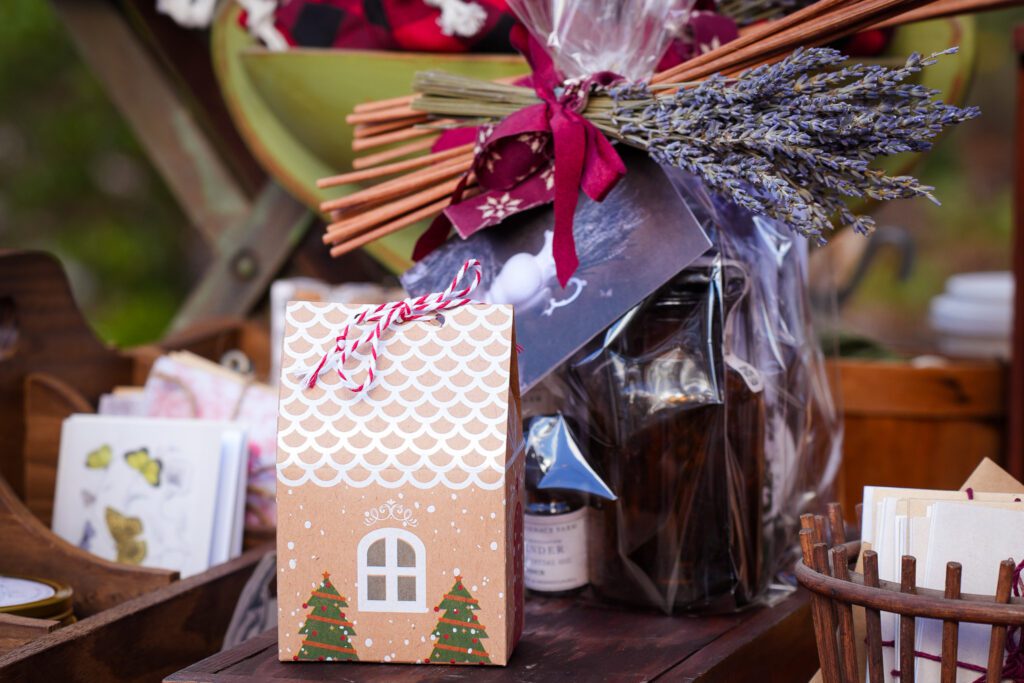
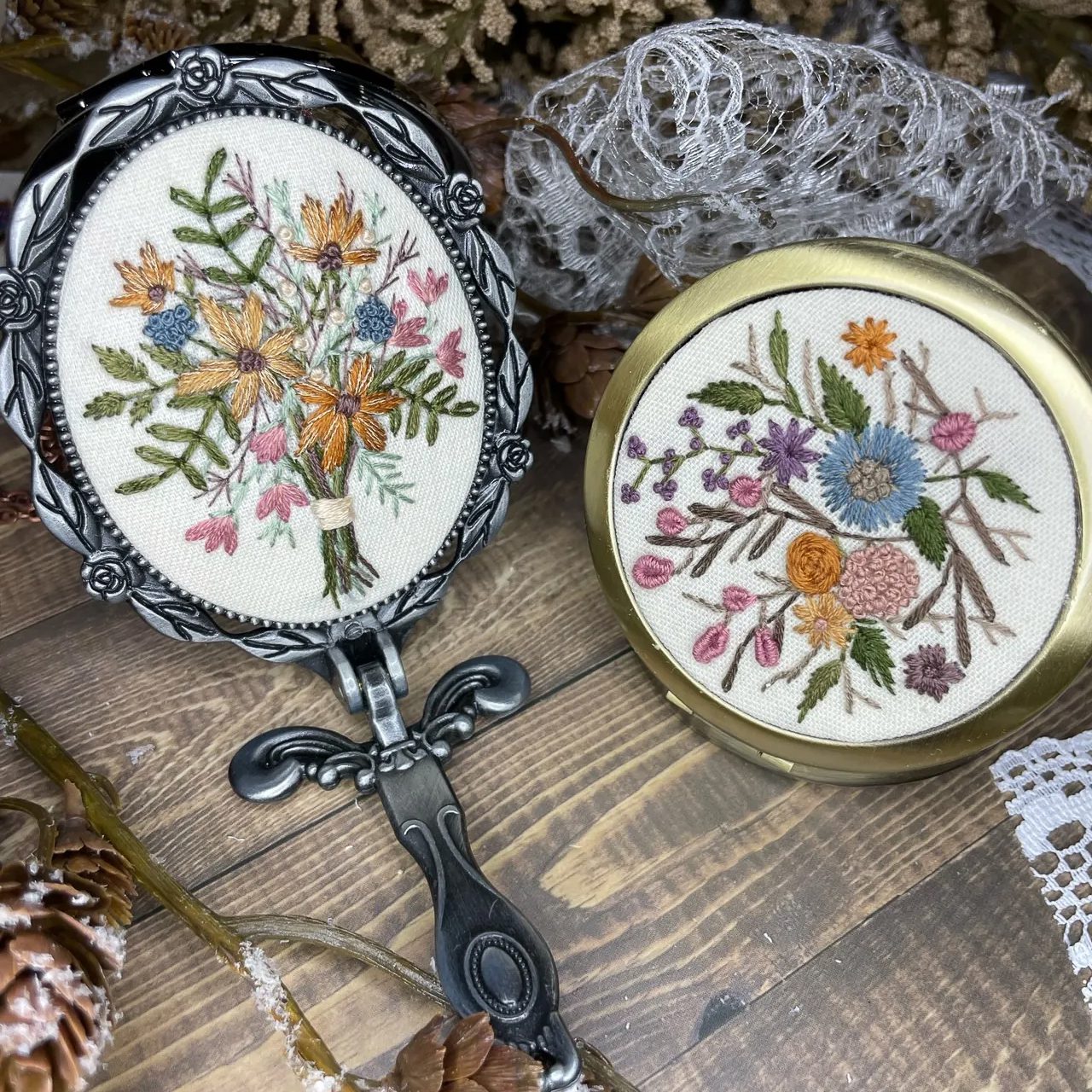
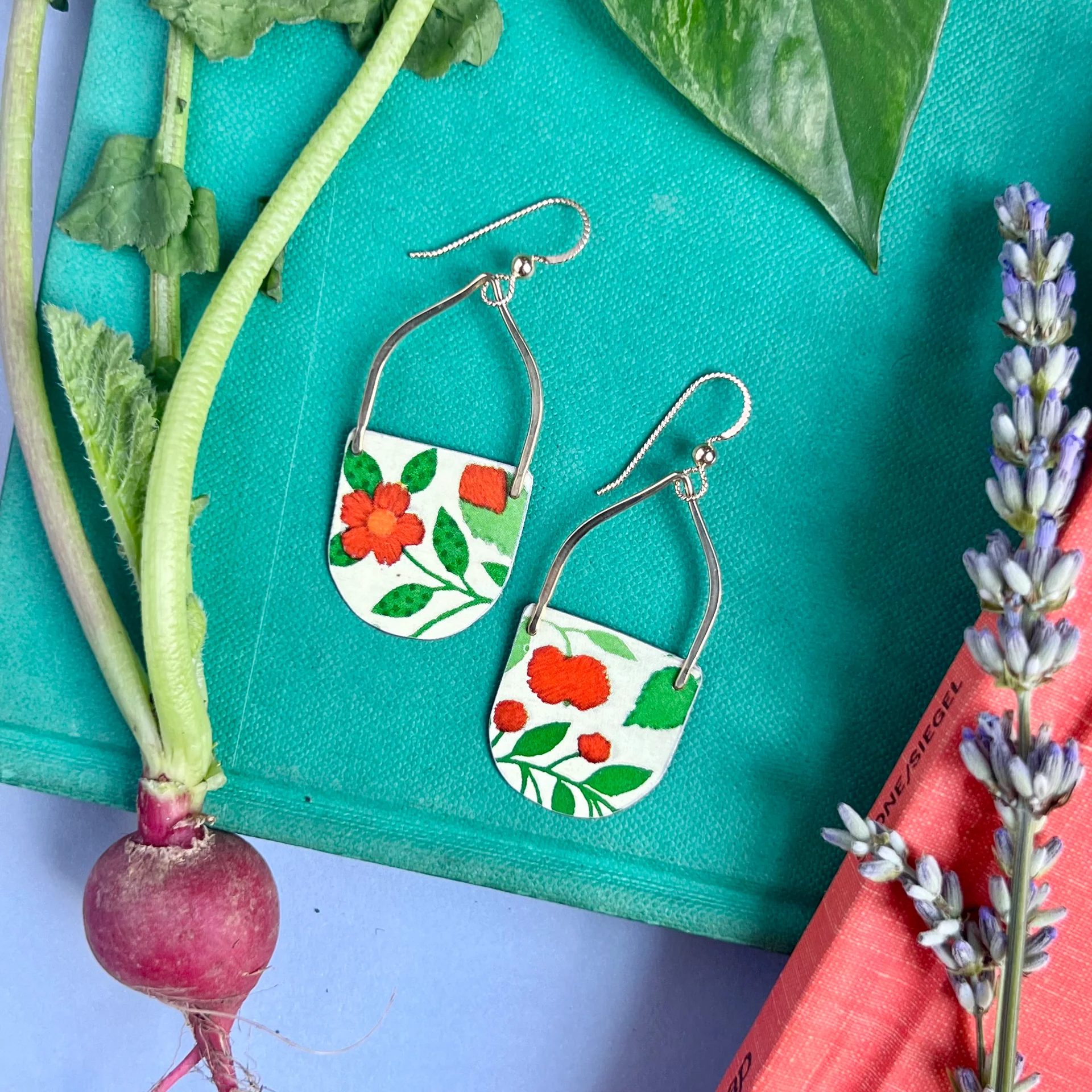
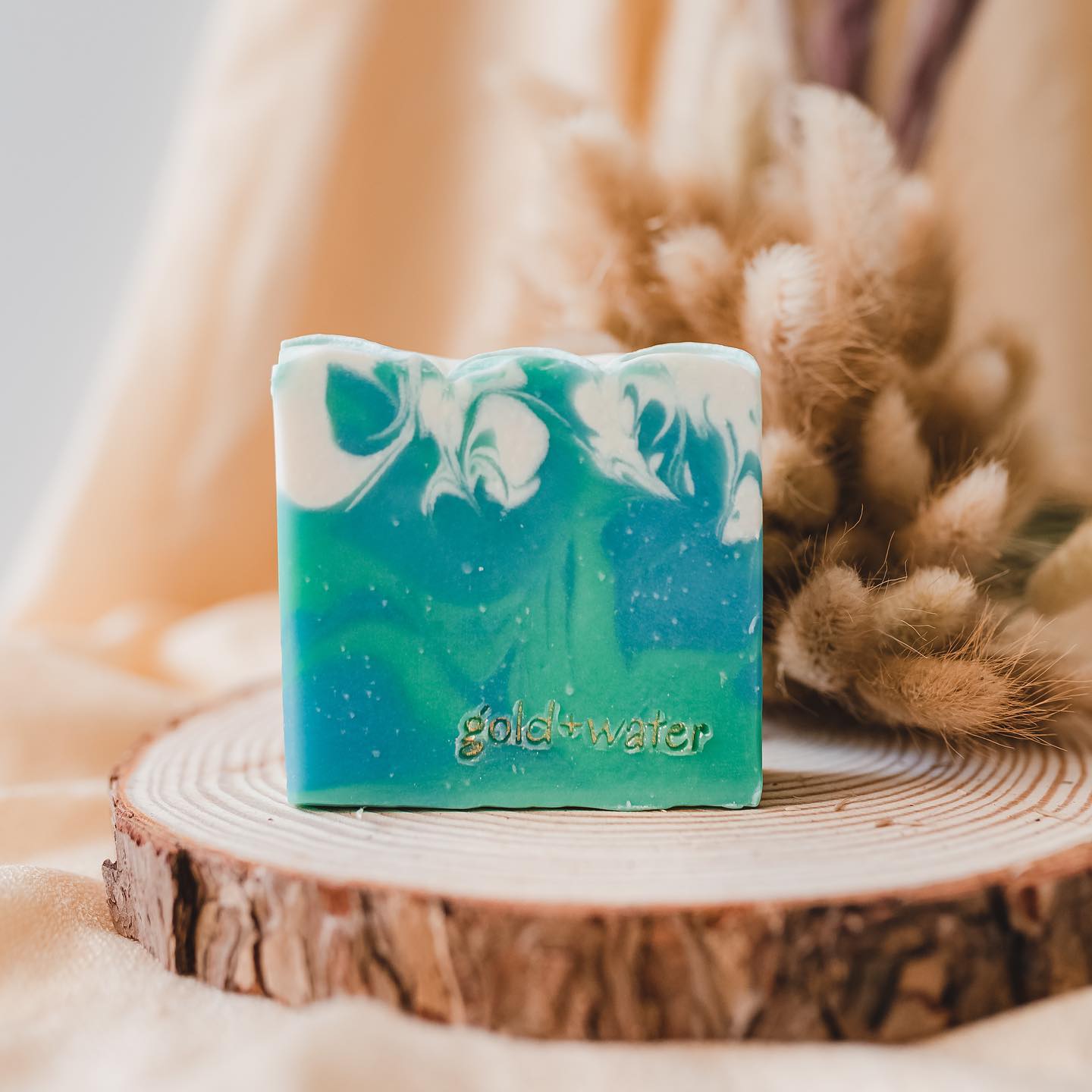
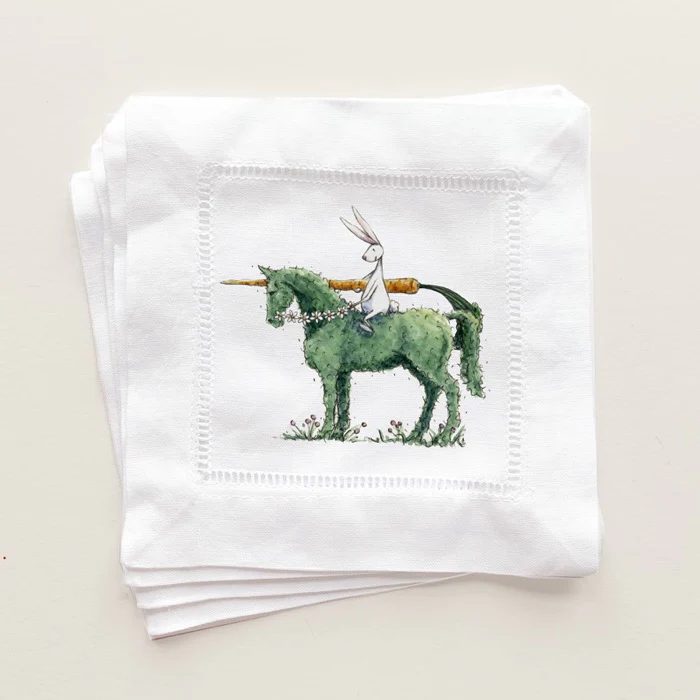
Discover a delightful selection of artisan goods, handcrafted treasures, and festive décor from over 50 talented local vendors. Wander through the market while savoring seasonal treats, sipping warm beverages, and enjoying live holiday music.

Raise a complimentary seasonal sparkling toast, courtesy of Penns Woods Winery (non-alcoholic options available), and take in the beautiful displays of holiday greens, twinkling lights, and decorated trees. Cozy up by the firepits and soak in the festive atmosphere of the Yuletide house tour. 

Join us to find unique holiday gifts and embrace the magic of the season. 

Sold out!

Tickets

Sold out!

Wine Tasting

Vine to Glass: A Wine Tasting Experience with Penns Woods Winery
Enjoy a curated tasting of Penns Woods wines while learning about Pennsylvania’s unique terroir and the innovative techniques of winemaker Davide Creato. Includes three tastings, a conversation with Davide, and a Penns Woods stemless wine glass to take home. Tastings take place at 12:00 pm, 2:00 pm, and 4:00 pm in the Brown Horticulture Center near the Greenhouses. Add-on available with your ticket purchase at checkout. Reservations required. Sellout likely. 

Photography Sessions

Alexis Mears Photography

Book a holiday photo session with Alexis Mears Photography against the backdrop of the Winterthur garden and architecture. Details and add-on available with your ticket purchase at checkout. Reservations required. Sellout likely. 

Rolls Royce Display

On view November 22, 3:00–5:00 pm

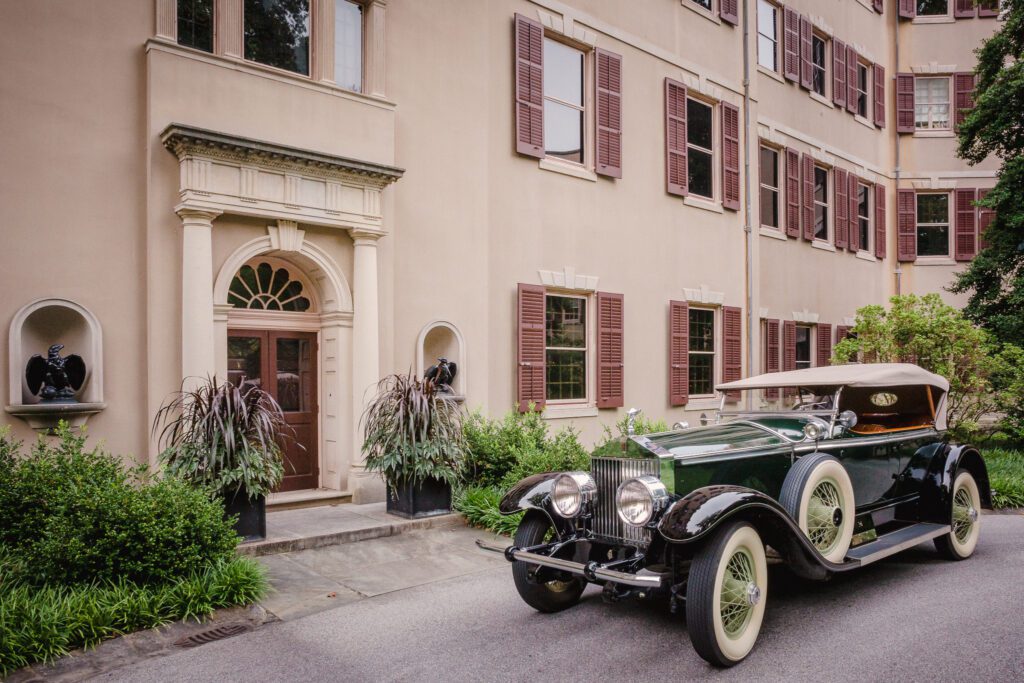
F. Scott Fitzgerald’s American classic, The Great Gatsby, was published in 1925. Though never as raucous as the parties thrown by Jay Gatsby, a weekend at Winterthur was always an affair to remember, especially during that time and into the next decade—the height of the entertainment era here. Guests would arrive at Winterthur’s Port Royal entrance in their smartly appointed vehicles, like Winterthur’s Rolls-Royce Phantom I Empress. Learn More.

Santa Sightings

Santa will be strolling through the Holiday Market, spreading cheer and warm holiday wishes. Be sure to stop and say hello to Jolly Saint Nick! 

Apply to Holiday Market

We invite you to apply to be part of this cherished seasonal celebration and unique opportunity to connect with an appreciative and enthusiastic audience. Applications for this year’s market are currently closed.

Learn More.

More to Explore

50+ Artisans

Visit and shop from over 50 local artisans on-site.

Food & Drink

Indulge in a carefully curated selection of culinary offerings.

Live Music

Enjoy live music featured throughout the market.

Activities & Tours

Roast marshmallows by the fire or explore the house in holiday style.


Activities & Tours

Self-Paced Yuletide Tour

The self-paced Yuletide Tour, included with admission, is available with limited capacity. Tours are available on a first-come, first-served basis. Entry to tour is from 10:00 am to 5:15 pm with the house closing for the day at 6:00 pm. There are no reserved guided tours on this day. 

Rolls Royce Display

On view November 22, 3:00–5:00 pm

F. Scott Fitzgerald’s American classic, The Great Gatsby, was published in 1925. Though never as raucous as the parties thrown by Jay Gatsby, a weekend at Winterthur was always an affair to remember, especially during that time and into the next decade—the height of the entertainment era here. Guests would arrive at Winterthur’s Port Royal entrance in their smartly appointed vehicles, like Winterthur’s Rolls-Royce Phantom I Empress.

Learn More.

Santa Sightings

Santa will be strolling through the Holiday Market, spreading cheer and warm holiday wishes. Be sure to stop and say hello to Jolly Saint Nick! 

Wine Tasting

Vine to Glass: A Wine Tasting Experience with Penns Woods Winery
Enjoy a curated tasting of Penns Woods wines while learning about Pennsylvania’s unique terroir and the innovative techniques of winemaker Davide Creato. Includes three tastings, a conversation with Davide, and a Penns Woods stemless wine glass to take home. Tastings take place at 12:00 pm, 2:00 pm, and 4:00 pm in the Brown Horticulture Center near the Greenhouses. Add-on available with your ticket purchase at checkout. Reservations required. Sellout likely. 

Photography Sessions

Alexis Mears Photography

Book a holiday photo session with Alexis Mears Photography against the backdrop of the Winterthur garden and architecture. Details and add-on available with your ticket purchase at checkout.Reservations required. Sellout likely. 

Garden Ornament Conservation Lecture

Preserving Beauty: Collaborative Conservation at Winterthur 

Learn how Winterthur’s team of conservators and staff preserves over 400 garden objects. Conservator Lauren Fair shares insights into protecting and restoring these historic outdoor treasures. Learn about their artistry, history, and the hidden stories behind them. Lecture takes place 1:00 – 1:45 pm in the Copeland Lecture Hall. Free with admission. Reservations required. Add-on with your ticket purchase at checkout. 


Food & Drink

Enjoy a delectable assortment of food and drinks by Restaurant Associates, available at the Visitor Center, Greenhouse Area and Galleries Circle.

Visit our 3 “Sleigh Bars” as you stroll the market to enjoy holiday-themed cocktails like Chambord and Prosecco, Peanut Butter Cup hot chocolate, and a Mistletoe Kiss.


Live Music Schedule

The Greenhouse Area:

  • Matt Richards | 10 am–2 pm
  • The Honey Badgers | 2–6 pm

West Gallery:

  • Newark Ukesters | 11 am–1 pm

Roaming:

  • Olde Town Carolers | 2–5 pm

Frequently Asked Questions

How do I purchase tickets?

You can purchase Holiday Market tickets online or by calling our reservations team at 800.448.3883 beginning October 10, 2025. All guests, including Members, are required to purchase a ticket in advance for either: 

What is included with a Holiday Market admission ticket?

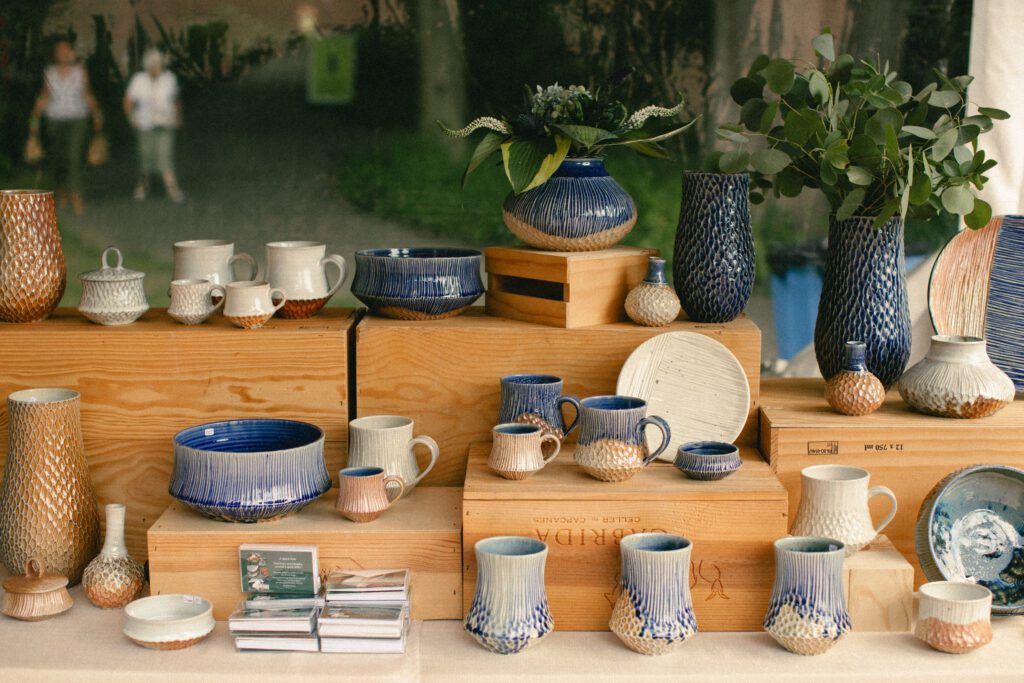
  • Visit 50+ artisans who will showcase their wares through handmade crafts relating to art, textiles, ceramics, glass, woodworking, gardening, and more. 
  • Live music is featured throughout the estate in major hub areas of the Holiday Market (Greenhouse Area).
  • A welcome sparkling toast by Penns Woods Winery is available as you enter the Holiday Market on the Visitor Center Patio.
  • The garden, galleries, and Yuletide self-guided House Tour are yours to explore. Tours are available on a first-come, first-served basis as capacity is limited. 
  • This is a rain-or-shine-or-snow event.   

What is the cost to attend the Holiday Market?

  • Adult: $30
  • Senior (62+): $28
  • Student (13 and older; valid ID required for college students): $28
  • Child (3-12): $9
  • Infant (under 2): Free

Complimentary Member reservations are sold out.

Where do I enter?

  • All guests will arrive to Winterthur through the Main Gate on Kennett Pike (Route 52) and park in the Visitor Center Parking Lot (main parking area). 
  • Guests will walk down the hill to the Visitor Center to check in. Please have your tickets ready to assist in a swift check-in process for all. 

Where do I park?

Parking for all guests will be in the main parking lot, please follow signs for Visitor Center Parking Lot.

Where is Accessible Parking available?

There are designated accessible parking spaces within the Visitor Center Parking lot.  

What transportation options are available?

  • Shuttle buses will be available to transport guests throughout the estate. Once you have parked and checked in, hop aboard a vehicle to transport you to the Visitor Center to begin your day. All shopping locations are also walkable; each is about a 5–10 minute walk from the other.  
  • Transportation will be running throughout the estate all day for you to make your way to each stop. Stops are located on the map in case you need assistance: Visitor Center, Greenhouse Area, and The Galleries. 

Where can I fill my water bottle and use the restroom?

Water may be purchased at the Visitor Center Cafe or at the concessions location in the Greenhouse Area. 

Water filling stations/water fountains available, as well as restrooms, at the following locations:

  • Visitor Center 
  • Brown Horticulture Learning Center (Greenhouse Area) 
  • Museum Store 
  • The Galleries
  • Reflecting Pool
  • Quarry Garden Restroom (adjacent to Enchanted Woods/Sundial Garden Lawn)

Where do I retrieve my concierge large item pickup?

Visitors who purchase a large/oversized item (e.g. furniture, lawn items, paintings, etc.) are welcome to use our Concierge Product Delivery service.

  • Each artisan will have “pink slips” that you will fill out with contact details for the purchased item.  
  • Items will be transported to the Visitor Center Lobby, where you can pick the item up when you are ready to depart.
  • Ask any artisan about our concierge service so you don’t have to carry items throughout your visit. 

What is the weather protocol?

The Holiday Market event is rain or shine or snow. No refunds will be given.

Are dogs welcome to join?

Service dogs only are permitted on the Winterthur estate. 

How do I become a Winterthur Member?

Join here or visit the Visitor Center before or during the Holiday Market to learn more.

What house and garden tours will be available?

  • The self-guided Yuletide Tour, included with your Holiday Market ticket, is available with limited capacity. Tours are available on a first-come, first-served basis.
  • Entry to the House Tour is from 10:00 am to 5:15 pm with the house closing for the day at 6:00 pm.
  • The Garden Tram tour will operate on a first-come, first-served basis and is weather dependent.

What reciprocities are accepted during the Holiday Market?

  • Access, Art Reach, and Museums for All are accepted during the Holiday Market. 
  • ROAM, AHS, NARM, Brandywine Passport, DE Libraries, and School Coupons will not be accepted during the Holiday Market.

How does one apply as an artisan for the 2026 Holiday Market or for the 2026 Artisan Market in July?

Each year, all interested artisans will submit an artisan application online for consideration. 

Given the competitive nature of the application process and Winterthur’s desire to have a variable selection of vendor mediums, your acceptance from previous years does not guarantee acceptance in future years.

  • Applications for the 2026 Holiday Market will be live on Winterthur’s website in July 2026.
  • Applications for the 2026 summertime Artisan Market will be live on Winterthur’s website in January 2026. 

<i>Featured Artisans</i>

VISITOR CENTER PATIO
AnnMarie Carmack Sara Golden Jewelry
Bella Mews The Highlands Foundry
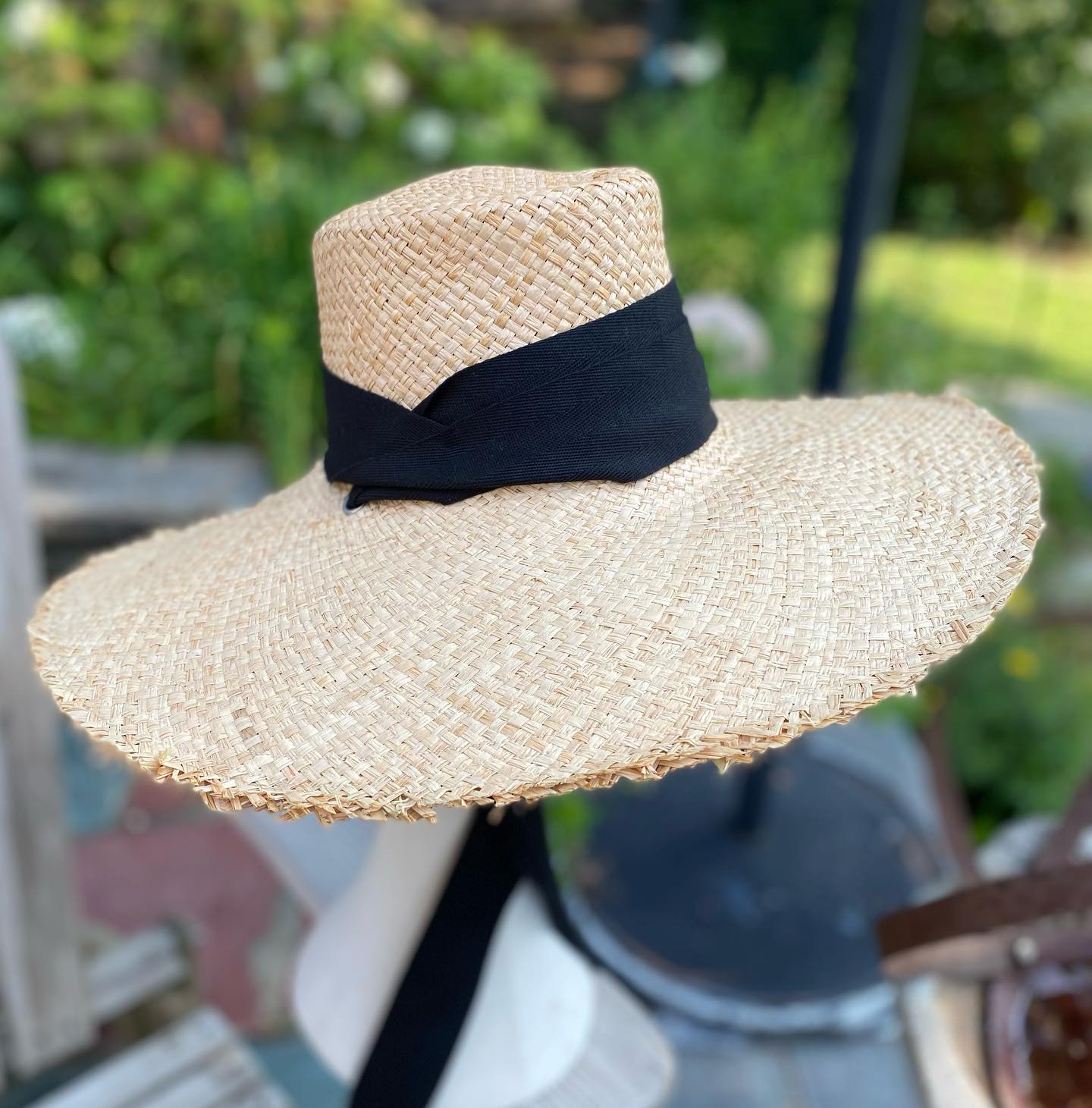
Jennifer Hoertz Millinery The Local Wild
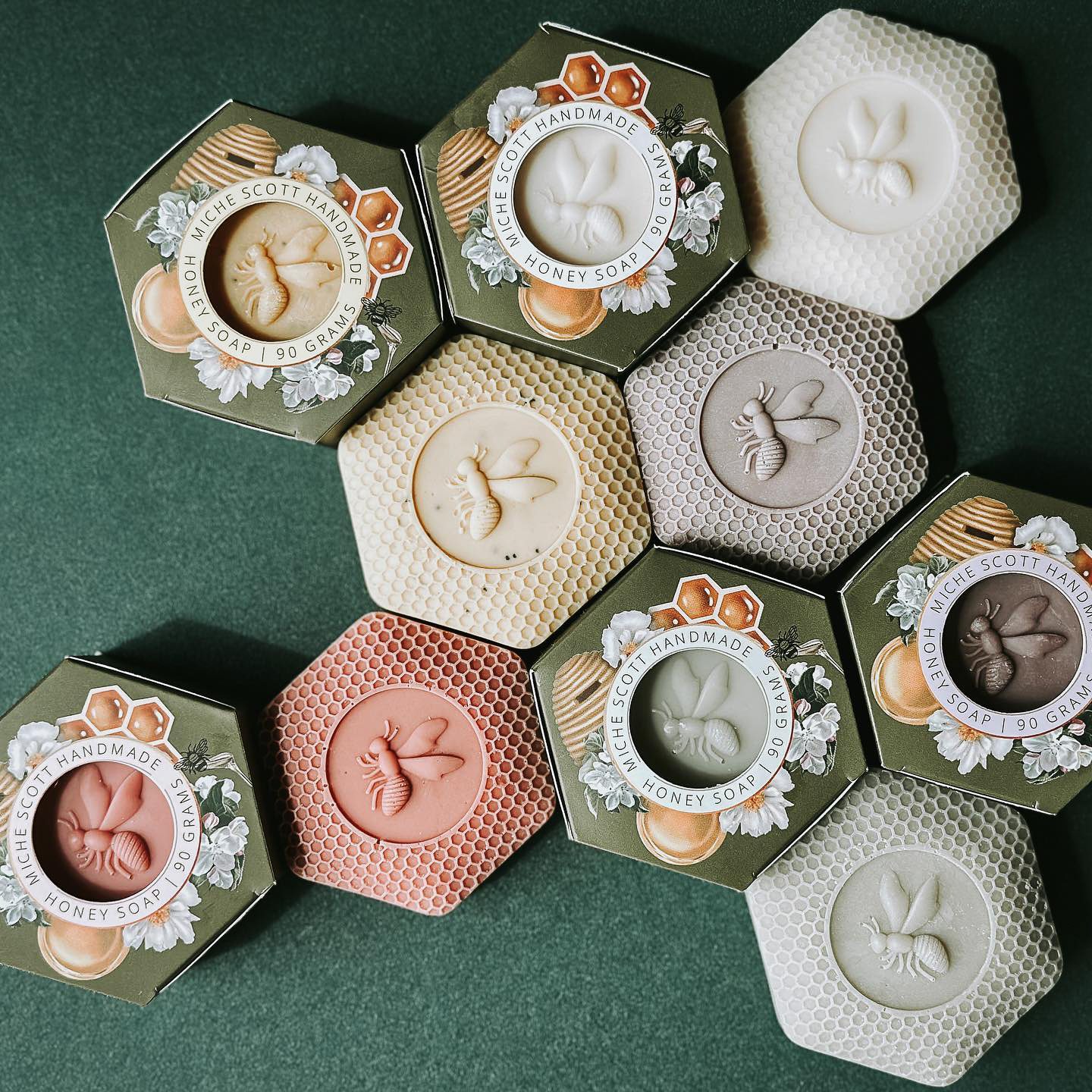
Miche Scott Handmade Timbercomb Woodworking
Peony’s Envy
   
THE GREENHOUSE AREA
Bind Arts Mary Room
Blazing Bella Partners Creating Community: Lightspire Art Studios
Bluestem Botanicals Pixie and Thistle
Book Grrl Bindery Pine Barrens Post
Brixxy and Co. Saffron Creations
Eiren Graver Sarah Cecelia
Fairhope Graphics Second Season Mittens
The Farm at Oxford Shop Folkloric
Henisee Pottery Short Sweet Saucy
Izy and Oly Solulu Handmade
Julie Miller Pottery Susan Rifkin Jewelry Designs
Kerensamere Studios Ten Air Studios
Life Artfully Told Westlin Winds Workshop
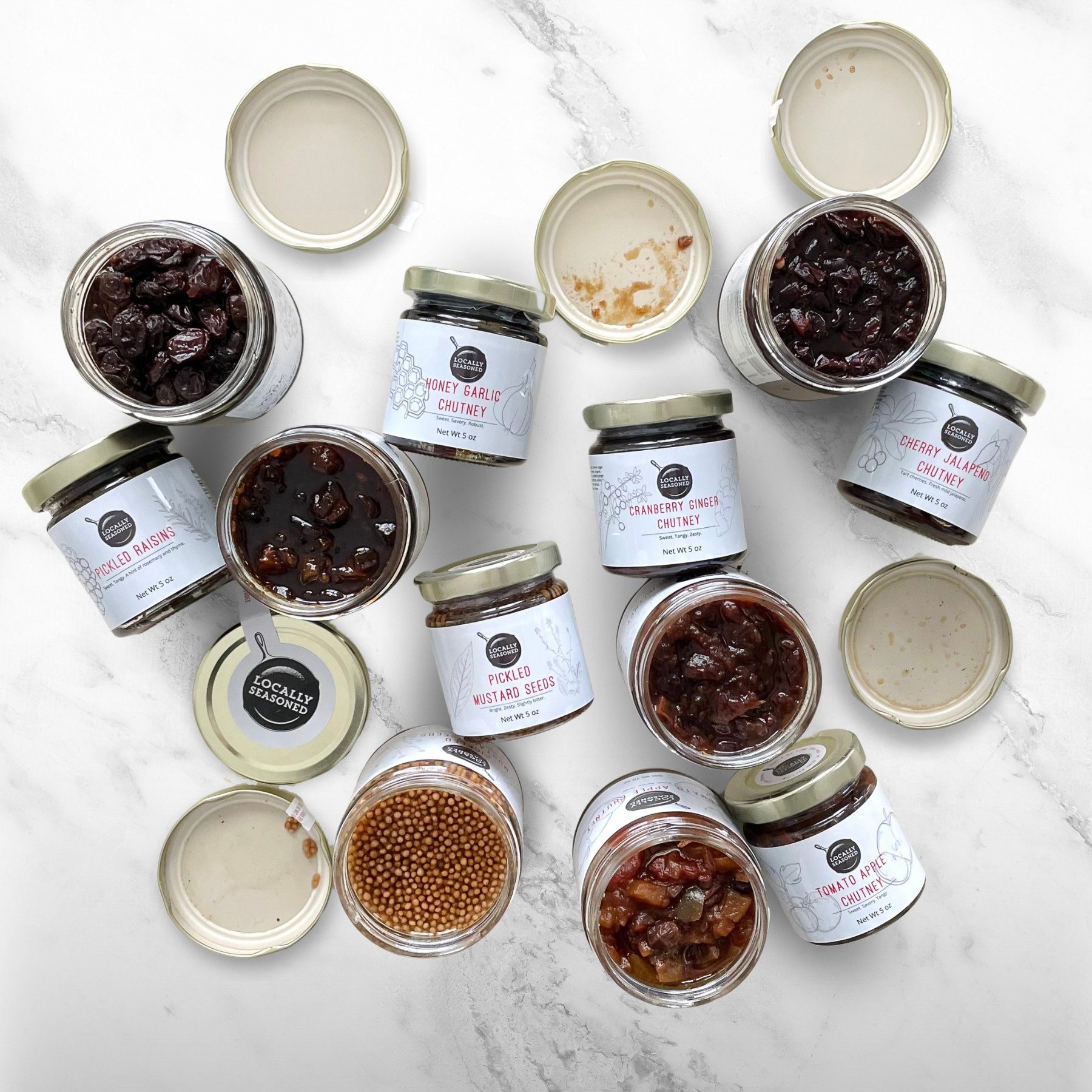
Locally Seasoned
   
WEST GALLERY CIRCLE
Atwater Designs Pour Richards Coffee
Cynthia Oswald Design Shop HipV
Dallas Shaw Skippy Cotton
Home & Loft The Golden Hen
Jen Mackey Vera Studio
Katydid Hill Warwick Furnace Farm
Liamolly
   
THE GALLERIES
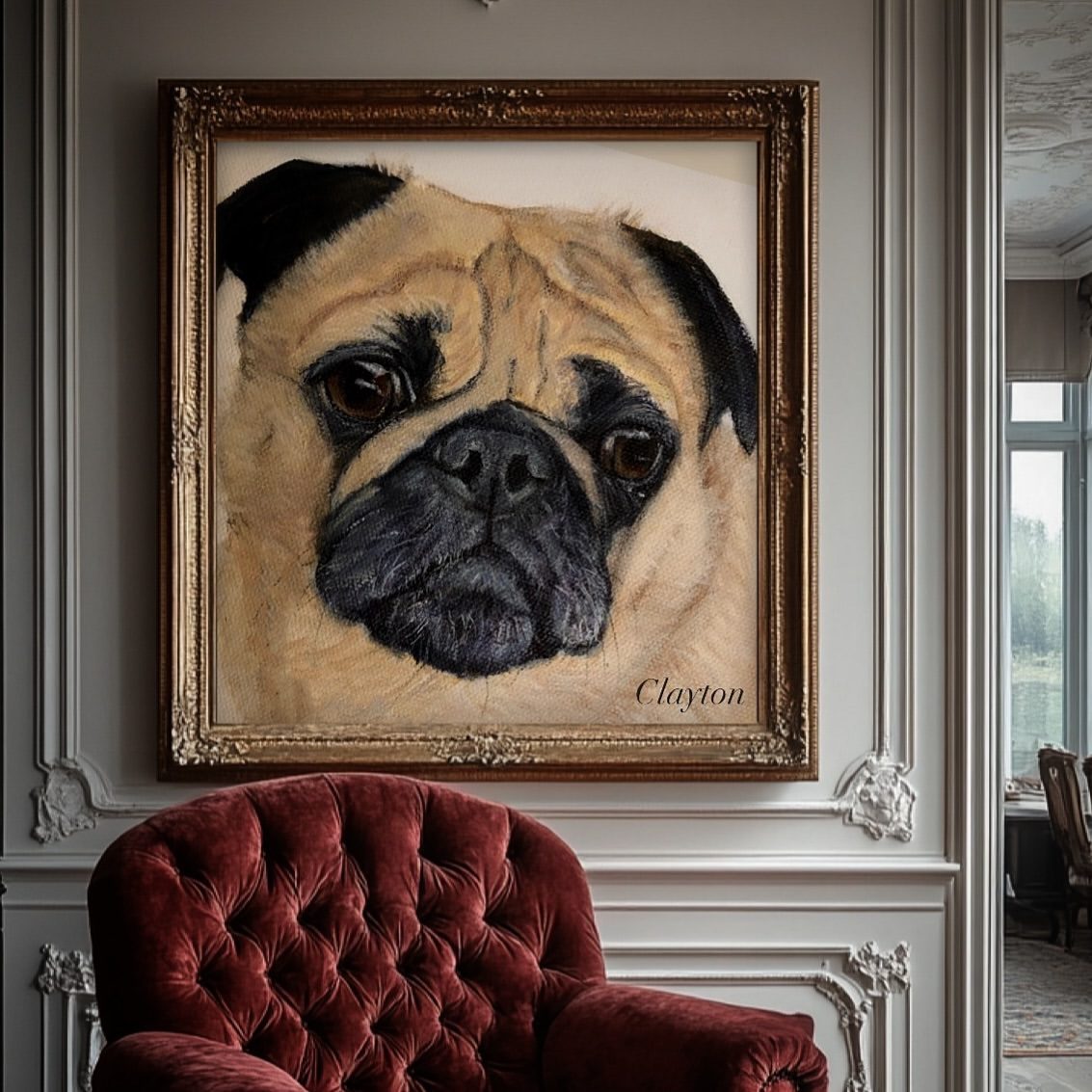
Anna Biggs Designs LouLou Clayton Pet Portraits
Classic Elegance Marcia Reiver
Johanna Howard Home Talufane

Artisan Market

Save the Date! July 17-19, 2026

Can’t wait for next summer’s Market? Join us for our Holiday Market on November 22 from 10:00 am–6:00 pm.

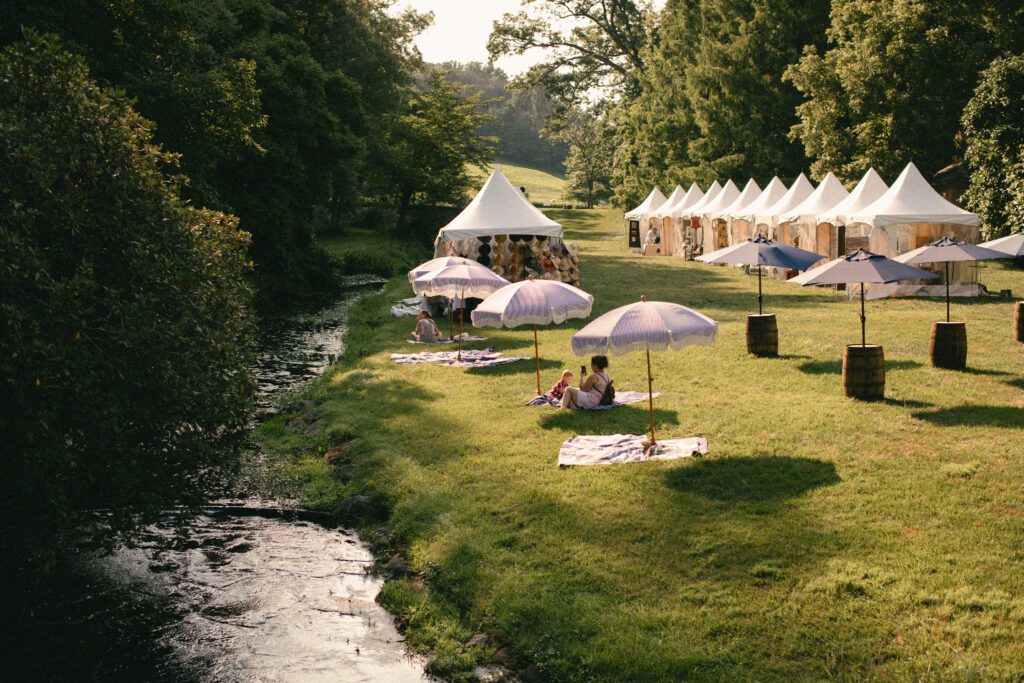
Spend a summer day exploring Winterthur while shopping for artisan-made crafts and gifts. 

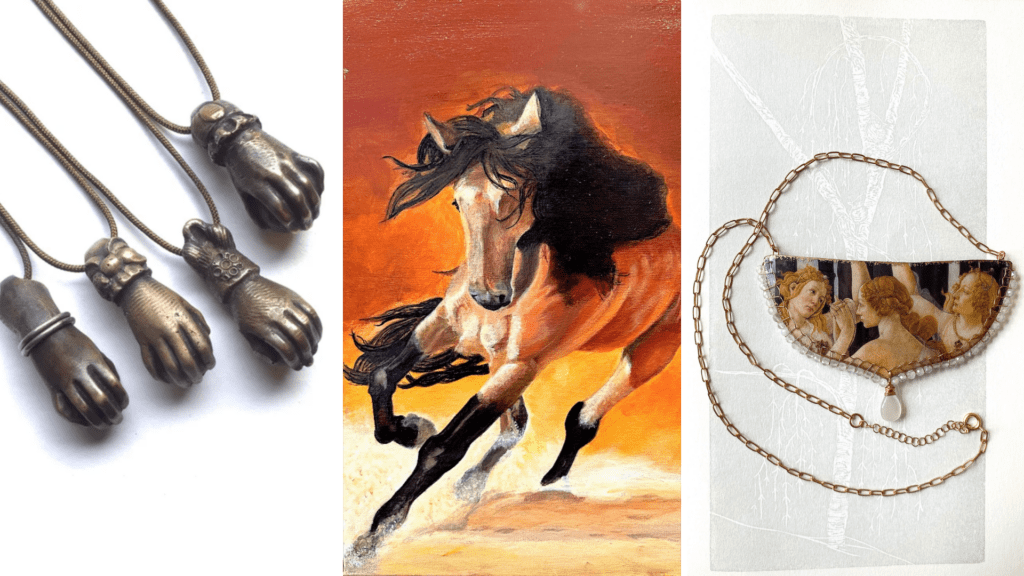
Talented craftspeople will present their outstanding wares, including antiques and collectibles, furniture and home décor, upcycled items and architectural salvage, high-quality handmade crafts, vintage clothing and jewelry, artisanal and small-batch gourmet goods, original art in a variety of media, garden items, and much more!

Apply to Artisan Market

Applications open on January 12, 2026 and are due March 9. Acceptances sent by April 1. Sign up to receive a reminder when applications are live. Review all Vendor Details before applying.

Tickets

Tickets for our 2026 event will be available in June 2026.

More to Explore

150+ Artisans

Visit and shop from over 150 local artisans on-site.

Food & Drink

Indulge in a carefully curated selection of culinary offerings.

Live Music

Enjoy live music featured throughout the grounds.

Activities & Tours

Take a house tour and explore the galleries, garden, and estate. 


Activities & Tours

Stay tuned for information about our activities and tours.


Food & Drink Vendors

Stay tuned for information about our food and drink vendors.


Live Music Schedule

Stay tuned for information about our musical performers.


Grant Recipients

Each year, several artisans are awarded an Artisan Market Grant based on their craft, connection to Winterthur’s mission and history, and need for support. Read more about the talented artisans awarded grants in 2025.

Interested in applying? Learn more.


Frequently Asked Questions

How do I purchase tickets?

You can purchase Artisan Market tickets online or by calling our reservations team at 800.448.3883 beginning in June 2026.

What is included with an Artisan Market admission ticket?

  • Visit over 150 local artisans who will showcase their wares through handmade crafts relating to art, textiles, ceramics, glass, woodworking, antiques, and gardening. 
  • Live music is featured throughout the weekend in various locations in the garden, including Market Bites (Greenhouse Area), Clenny Run Lawn, and the Sundial Garden Lawn. 
  • You are welcome to explore the garden, galleries, and self-guided House Tour to experience all that Winterthur has to offer. Tours are available on a first-come, first-served basis as capacity is limited. No tram tours are offered this weekend.   
  • This is a rain-or-shine event.   

What is the cost to attend Artisan Market?

Early Bird pricing is available June 17–30, 2026. Standard pricing begins July 1, 2026:

Adult: $24 June 17–30; $29 starting July 1
Member: $10 June 17– 30; $15 starting July 1
Senior (62+): $22 June 17– 30; $27 starting July 1
Student (13 and older; valid ID required for college students): $22; June 17–30; $27 starting July 1
Member Student (13 and older; valid ID required for college students): $8; June 17– 30; $13 starting July 1
Child (3–12): $8
Member Child (3–12): $5
Infant (under 2): Free
Member Guest Passes: not accepted for Artisan Market

Where do I enter?

  • General Parking guests enter at “Gate 3” on Winterthur’s property, on the Point-to-Point fields. This is not the main gate to Winterthur but about 100 yards south on Kennett Pike. Look for the large General Parking signs.  
  • Premium Parking guests enter through Winterthur’s Main Entrance. Your parking pass will be reviewed upon entering to proceed to the Visitor Center Parking lot. Please review “What is Premium Parking?” for additional information. 
  • Please have your tickets ready upon entering the gate. Be prepared for a short wait while entering the estate as we expect larger-than-normal crowds. A police escort managing traffic on Route 52/Kennett Pike. We thank you for your patience.

Where do I park?

  • On-site event parking is free with your Artisan Market ticket. Premium parking is optional and available for purchase in advance.
  • For General Parking, enter Gate 3 — at the Point-to-Point field — and once parked, proceed to the Check-in Tent with your tickets in hand ready to be scanned to receive your wristband. Once you have your wristband, board transportation to Artisan Market. You will not be able to enter the event without a wristband.
  • For Accessible Parking, please have your tag visible when entering the estate. Parking attendants will guide you to the reserved accessible spaces within the field. Guests will then board transportation to Artisan Market.
  • Pre-purchased Premium Parking passholders will park in the Visitor Parking Lot.

What is Premium Parking?

  • Pre-purchased Premium Parking is optional and available for an additional fee for each day of Artisan Market weekend. There are designated, color-specific passes for each day. The pass is valid for one day of Artisan Market. If you wish to attend multiple days, a Premium Parking pass is required each day. 
  • A limited number of Premium Parking spaces are available for Friday, Saturday, and Sunday, with passes valid for one day. Premium Parking ticket sales close on June 30. 
  • This parking area will provide access to the Visitor Center Parking Lot, which is closest to the Market and allows the fastest and most direct access to the shopping areas. A limited number of spaces are available each day.  No transportation is necessary by car to the Market—it is a 50-yard walk from the parking lot to the site and activities. 
  • Guests will receive one (1) parking permit per registered vehicle prior to Artisan Market weekend via USPS mail. 
  • Parking passes must be displayed on the mirror/dash when arriving at Winterthur’s Main Entrance during the designated day of your tickets, otherwise, you will be directed to the General Parking area. 
  • Once parked, you will walk to the Visitor Center Lobby to check in and receive your wristband. Please have your pre-purchased tickets ready to be scanned upon arrival.   

Where is Accessible Parking available?

  • Accessible Parking is available in both the General Parking and Premium Parking Areas. 
  • Non-Premium Parking ticket holders will be directed to the accessible spaces in the General Parking field and will have your ticket scanned at the Check-in Tent. Guests will then board transportation to Artisan Market. 
  • Premium Parking ticket holders will find designated accessible parking spaces within the Visitor Center Parking lot.    

How best do I navigate the grounds?

  • Maps/guides to the event are available at check-in and at Information Hubs throughout the event. 
  • Transportation is available for guests to use to move between each Artisan Market “hub” throughout the estate.
  • Winterthur Team Members are onsite throughout the event are are happy to answer your questions. Look for anyone with a green button to assist you!
  • Winterthur is a vast estate with uneven terrain and shaded and unshaded areas. Comfortable footwear and breathable attire appropriate for an outdoor event on a summer day is recommended.
  • Water fountains/water bottle filling stations are available near restrooms, so you are welcome to bring a refillable water bottle. 
  • Artisan Market weekend typically welcomes over 7,000 guests across the three days. Please be mindful of the crowds when planning your visit. 

What transportation options are available?

  • Shuttle buses and open-air trams will be available to transport guests throughout the estate. Once you have parked and checked in, hop aboard a vehicle to transport you to the Visitor Center to begin your day. All shopping locations are also walkable; each is about a 5–10 minute walk from the other. Maps are available at check-in.
  • Transportation will be running throughout the estate all day for you to make your way to each stop. Stops are located on the map in case you need assistance: Visitor Center, Market Bites/Greenhouse Area, Clenny Run Lawn, Sundial Garden Lawn, the West and East Gallery Circles, and Parking.
  • Please utilize all transportation as needed throughout the weekend as each will allow you to visit all areas of the Market. All vehicles will go to all stops and follow the same route. For questions, please visit any Information Hub or ask a Winterthur Team Member (look for someone with a green button). 

Where can I fill my water bottle and use the restroom?

Along with the food trucks and cafés located throughout the estate to purchase water and beverages, there are several water bottle filling stations/water fountains available, as well as restrooms, at the following locations: 

  • Visitor Center 
  • Brown Horticulture Learning Center (Greenhouse Area/Market Bites) 
  • Museum Store 
  • The Galleries
  • Reflecting Pool (along the walking route from the Galleries to Enchanted Woods) 
  • Quarry Garden Restroom (adjacent to Enchanted Woods/Sundial Garden Lawn) 

Where do I retrieve my concierge large item pickup?

Visitors who purchase a large/oversized item (e.g. furniture, lawn items, paintings, etc.) are welcome to use our Concierge Product Delivery service.

  • Each artisan will have “pink slips” that you will fill out with contact details for the purchased item.  
  • Items will be transported to the Picnic House (a small building located toward the back of the Visitor Center Parking Lot), where you can pick the item up when you are ready to depart. 
  • If you parked in the “General Parking” field, please make your way to your vehicle, enter Winterthur’s Main Gate, present your Concierge “pink slip” at the Guard House, and proceed to the Picnic House for your item. 
  • Ask any artisan about our concierge service so you don’t have to carry items throughout your visit. 

What is the weather protocol?

The three-day Artisan Market event is rain or shine. No refunds will be given.

Are dogs welcome to join?

Service dogs only are permitted on the Winterthur estate. 

What benefits do Winterthur Members get at Artisan Market?

  • Winterthur Member benefits include over a 50% discount on Artisan Market tickets Member tickets are $10 until June 30; $15 starting July 1. 
  • Members have exclusive access to the Member Lounge in the Rotunda of the Galleries building. Enjoy giveaway items and connect with fellow Members.From Friday to Sunday of Artisan Market weekend (July 17–19, 2025), Member walkers are welcome to explore the estate after 5:00 pm until dusk. Prior to 5:00 pm, an Artisan Market wristband/ticket is required.

How do I become a Winterthur Member?

Join here or visit the Visitor Center before or during Artisan Market to learn more.  We recommend joining in advance of your visit to Artisan Market to make the most of your time and benefits. 

What house and garden tours will be available?

  • The self-puided House Tour, included with your wristband, is available with limited capacity. Tours are available on a first-come, first-served basis. 
  • Entry to the House Tour Friday through Sunday, is from 10:00 am to 3:15 pm with the house closing for the day at 4:00 pm. 
  • There are no reserved guided tours within the house or garden, including garden tram tours, during Artisan Market weekend.

What reciprocities are accepted during Artisan Market weekend?

  • Access, Art Reach, and Museums for All are accepted during Artisan Market weekend. 
  • ROAM, AHS, NARM, Brandywine Passport, DE Libraries, and School Coupons will not be accepted during Artisan Market weekend.

How does one become an artisan for next year?

Each year, all interested artisans will submit an artisan application online for consideration. Given the competitive nature of the application process and Winterthur’s desire to have a variable selection of vendor mediums, your acceptance from previous years does not guarantee acceptance in future years.

We are proud to present two markets annually, Artisan Market in the summer and Holiday Market at the onset of Yuletide. See below for application and acceptance timing.

Holiday Market

  • Applications for the 2026 Holiday Market will be live on Winterthur’s website in July 2026. The Holiday Market will be held on November 21, 2026. Learn more.

Artisan Market

  • Applications go live on Winterthur’s website in late January 2026. Deadline to apply is March 9, 2026;  acceptances will be sent April 1, 2026. Learn more.

Featured Artisans

Check out the artisans who participated in our 2025 Artisan Market!

How to Dry Flowers the Winterthur Way

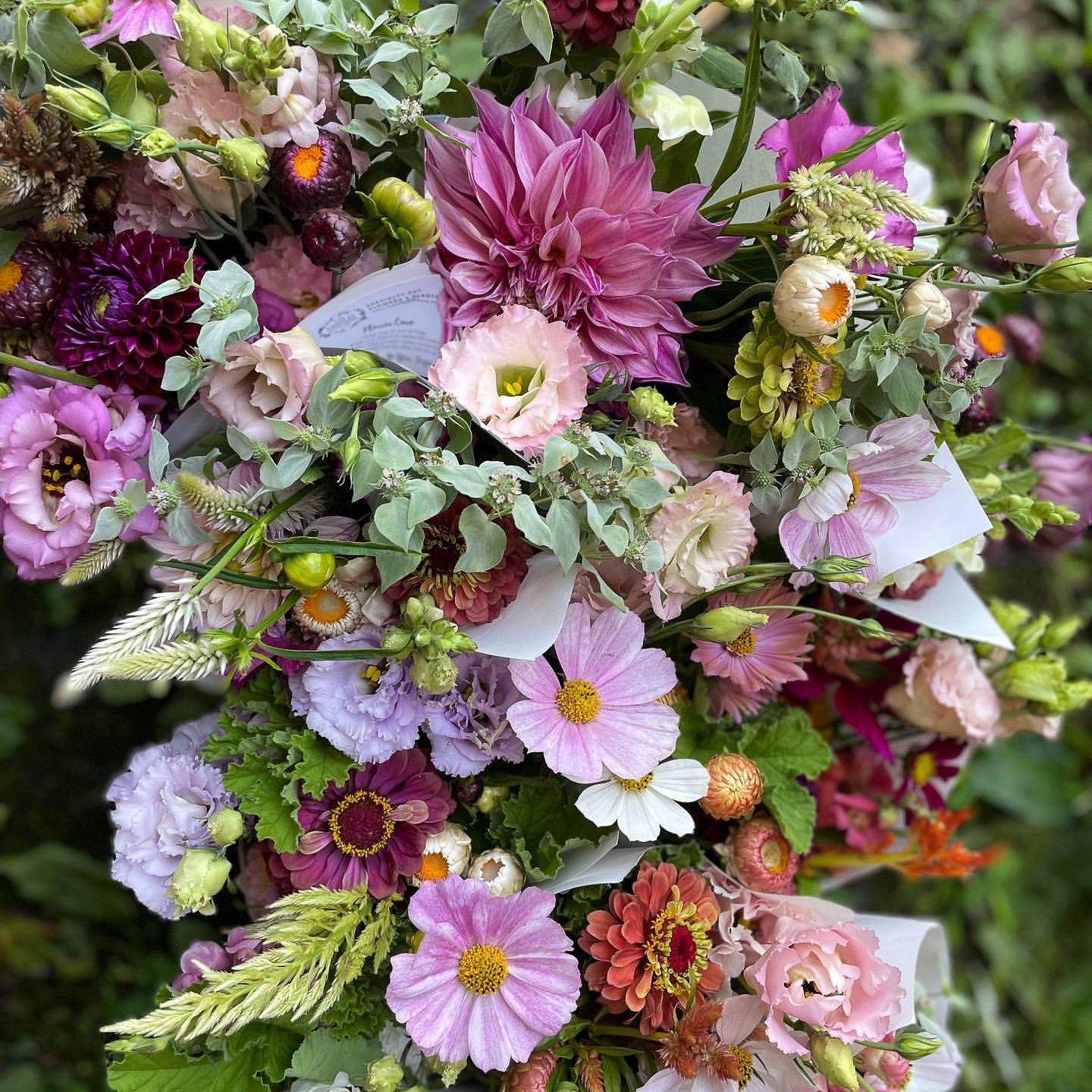
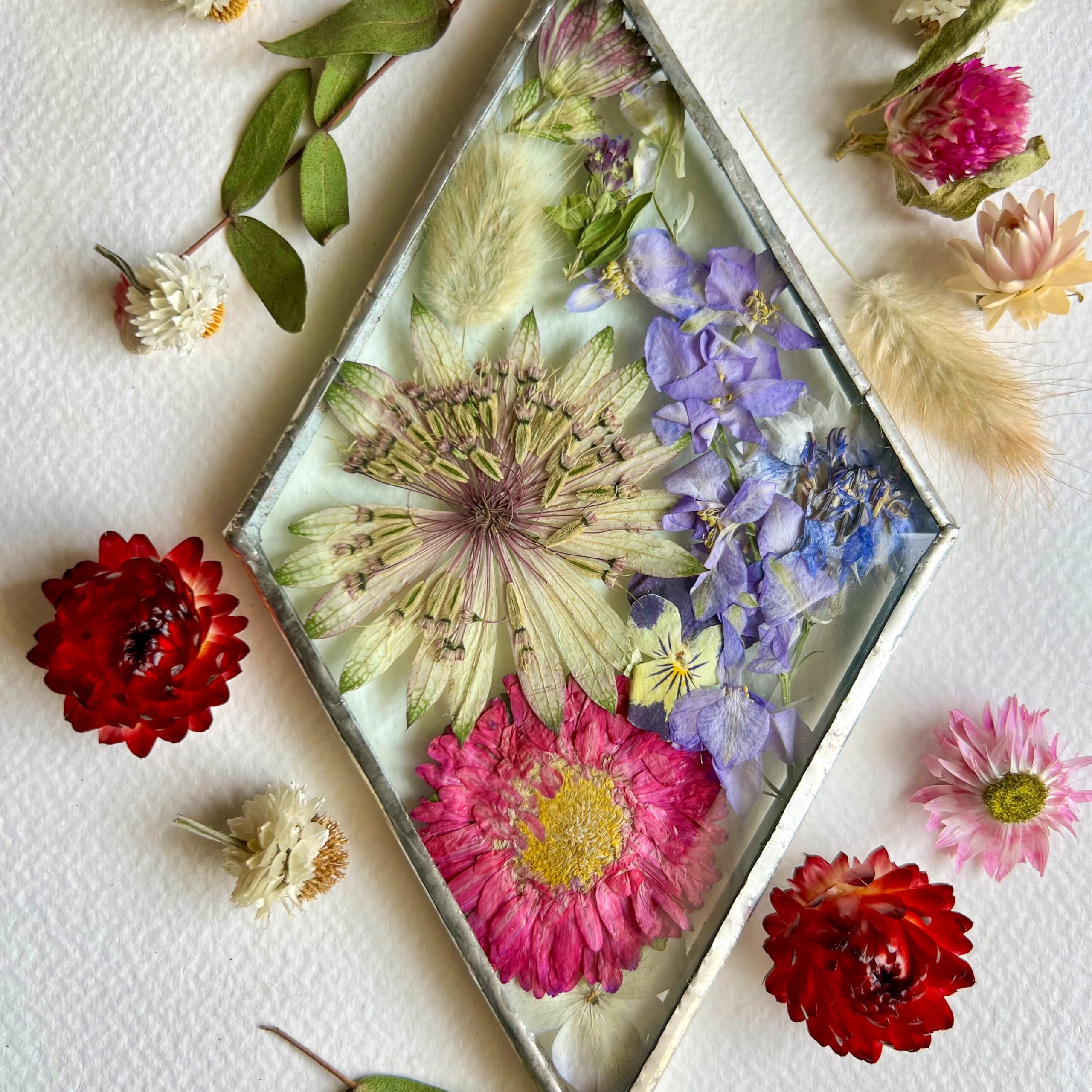
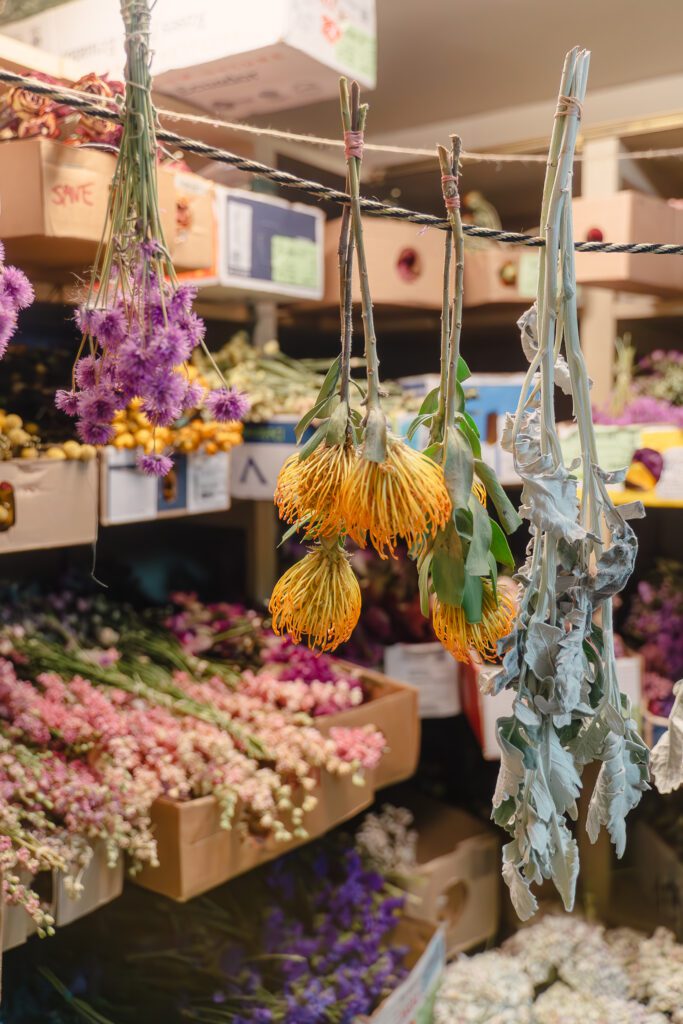
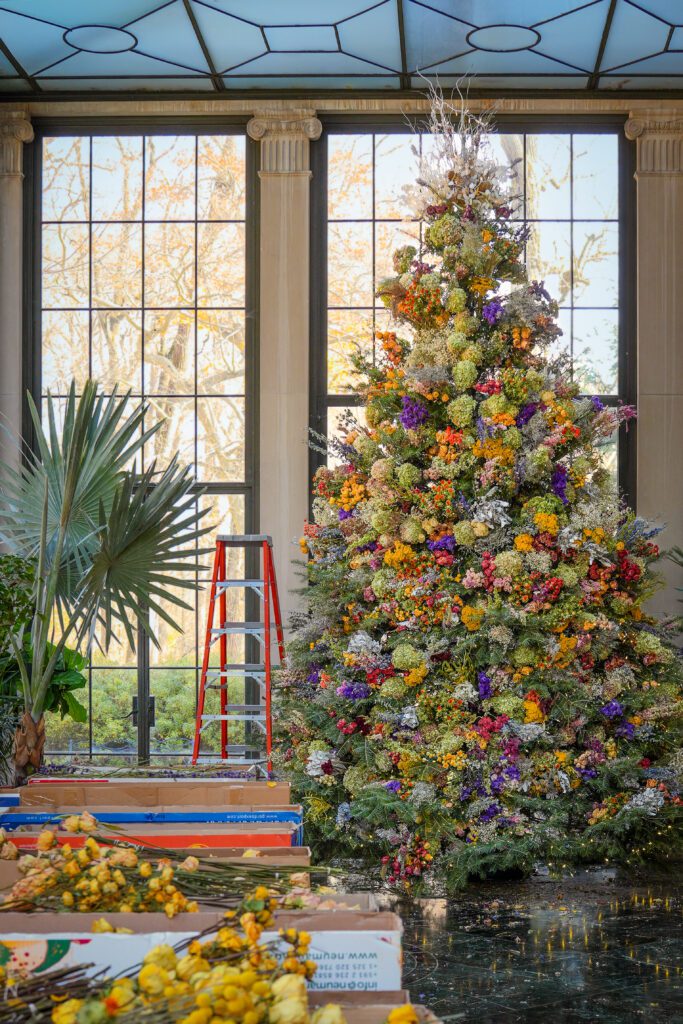
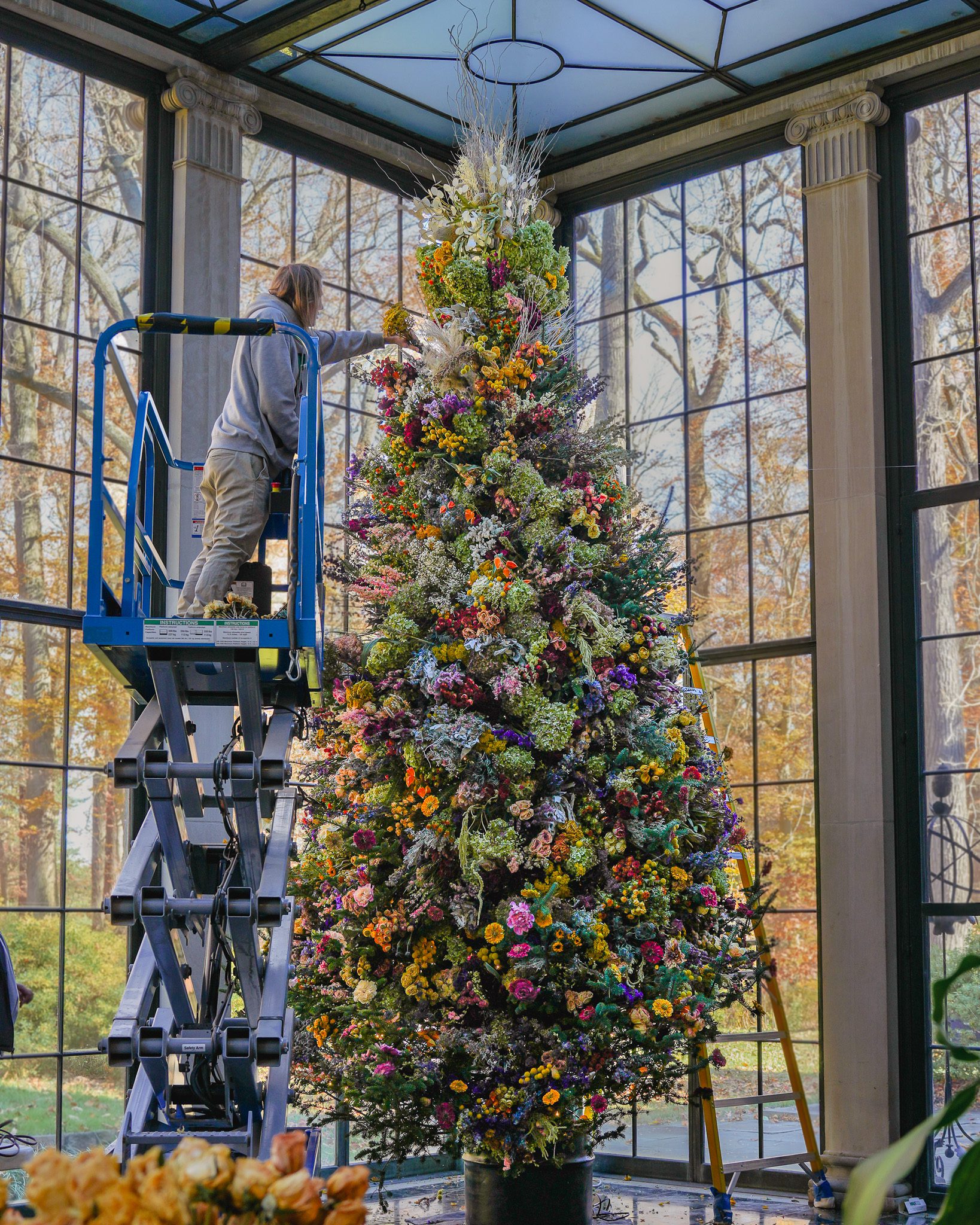
Inspired by Henry Francis du Pont’s love of flowers, Winterthur’s Dried-Flower Tree is a phenomenon of color, texture, and floral artistry. Thousands of brillant spring and summer blooms are perfectly preserved throughout the year, reprising their roles each holiday season to delight spellbound visitors.

To create the “largest bouquet” ever made at Winterthur, we chose a wide variety of flowers and plant material from the Winterthur cutting gardens and fields and used two methods of drying: silica gel and hanging.

Silica Gel

One method for drying flower heads calls for “flower dri” (silica gel). Silica gel is a desiccant, a substance that has a great affinity for water; it rapidly absorbs moisture from flowers. The white powder has small blue crystals and is reusable indefinitely. As the powder absorbs moisture, the blue crystals turn pink, indicating that they can absorb no more moisture. Simply put silica gel in a 350-degree oven for an hour or so and the crystals will turn blue and be ready for another use.

General considerations with this method of drying:

  • All flowers should be absolutely fresh.
  • Dry flowers in several stages of bloom: buds, partially open, fully open, and some with foliage.
  • Before drying, flowers must be wired since they become fragile once dried.
  • Put similar types of plant material in the same box.
  • Flowers shrink when dried and many also darken.
  • Small, fragile flowers will take two or three days to dry.
  • Most will take five to seven days.
  • If the material feels slightly limp, it is not dry. Bury in the gel for several more days.

Steps to follow:

  1. Cut off flower heads.
  2. Insert wire through the center of the flower, loop, pull down through the flower head so that the head is secure.
  3. Place two inches flower dri in bottom of pan.
  4. Place flower head “heads up” in flower dri.
  5. Pour flower dri over flower heads and between each layer of petals. Cover completely.
  6. For long stems such as snapdragon and delphinium, place horizontally on flower dri. Cover completely.
  7. Cover and seal flowers in airtight pan.
  8. Mark flower type on pan.
  9. Allow ample time for flowers to dry.
  10. When flowers are dry, remove carefully. Gently pull flower heads up while dusting off flower dri.
  11. Store in covered box.
  12. Mark flower type on box.

Hanging Method

A second method of drying is hanging flowers in small bunches until dry.

Experience Yuletide at Winterthur

Experience the beauty of Winterthur’s Dried-Flower Tree during Yuletide, and join us next year for an exciting lineup of floral classes and workshops!

Udderly Magnificent

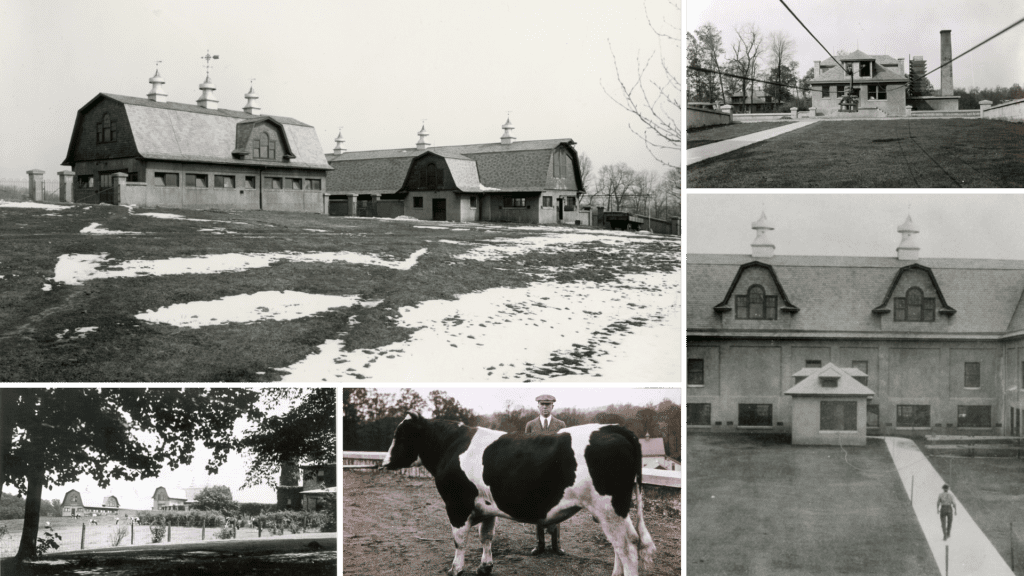
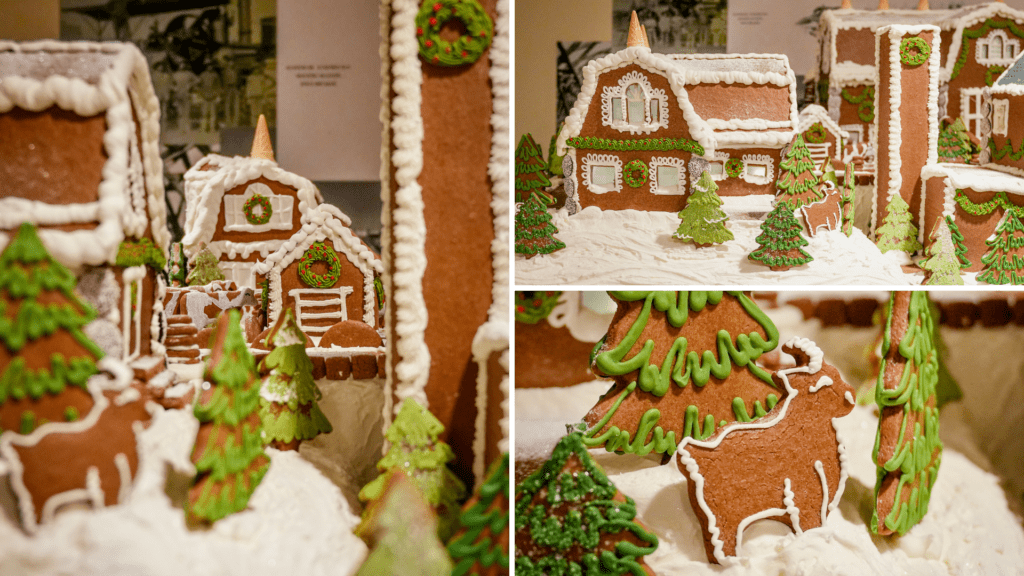
This year’s gingerbread display is based on the farming operations that once formed a vital component of life at Winterthur when it was a private home. A dairy herd, animal husbandry, and agricultural crops were as integral then to the world of Winterthur as museum operations are today. 

Cows were a part of the Winterthur landscape from its earliest days, grazing contentedly in the shadow of the mansion. In 1917, Henry Francis du Pont purchased four bulls and two cows for the astounding sum of $70,000 (about $1.6 million today). The breed was Holstein-Friesian, considered to be the most prolific milkers. That group became known at Winterthur as the “Foundation Herd.”

To house the herd, du Pont constructed a huge barn complex at the top of Farm Hill. Staff included a farm manager, resident veterinarian, dairy manager, and herdsmen. A creamery across from the dairy barn could process 10,000 pounds of milk a day. An electric cable tramway capable of transferring six milk cans at a time connected the second level of the dairy barn to the top of the creamery, where the milk was sterilized and pasteurized before being sold as “Winterthur Special Holstein Milk” in bottles carrying the motto “Better Milk for Better Babies from Winterthur Farms.” The milk was celebrated throughout the local area for its high quality.

Following H. F. du Pont’s death in 1969, and per his instructions, the Winterthur herd was sold at auction, ending a memorable chapter in Winterthur’s history.

The gingerbread representation of Farm Hill includes the various barns, as well as some of the workers’ homes. Weighing in at more than 300 pounds, the display includes more than 108 pounds of gingerbread! It is the creation of the skilled hands of artisans from Bredenbeck’s Bakery in Philadelphia.

This is the third year that Bredenbeck’s has dazzled Yuletide visitors with their artistry. In 2022, they presented an impressive gingerbread house of the Winterthur mansion, followed by a model made to replicate Enchanted Woods. We are grateful to Bredenbeck’s head sugar artist Diana Anello and bakery co-owners Jacob Boyd and Irvin Boyd for this wonderful Yuletide display. Don’t miss it!

See the display on view through January 5, 2024 in the Galleries. Plan your visit today!

Floral Design at Winterthur

Workshops

<p>Winterthur's floral legacy is an integral part of the estate's tradition. Whether inside or out, the cultivation and enjoyment of nature's bounty has been of utmost importance to the generations of du Ponts who called the estate home.</p> <p> We invite you to discover the history, admire the beauty, and create your own traditions with our floral classes and workshops!</p>
Event: Garden to Vase: Wake Up Spring!
Event start date
Mar.
18
Event time 5:30 pm-
8:00 pm

Audience: Adult, Member

Celebrate the awakening of spring with an arrangement full of all the…

Event: Garden to Vase: Spring Basket
Event start date
Apr.
01
Event time 1:30 pm-
4:00 pm

Audience: Adult, Member

Use herbs and flowers to design a mixed basket that will bring…

Event: Garden to Vase: Branching Out
Event start date
Apr.
15
Event time 5:30 pm-
8:00 pm

Audience: Adult, Member

Discover how to use branches as a design element in a natural…

Event: Garden to Vase: Opulent Peonies
Event start date
May.
20
Event time 1:30 pm-
4:00 pm

Audience: Adult, Member

Uncover the beauty and elegance of using one type of flower per…

Event: Garden to Vase: Modern Botanical Art
Event start date
Jun.
17
Event time 5:30 pm-
8:00 pm

Audience: Adult, Member

Visit the At Home at Winterthur exhibition, then draw inspiration from pictures…

Event: Garden to Vase: Sensational Summer Flowers
Event start date
Jul.
22
Event time 5:30 pm-
8:00 pm

Audience: Adult, Member

Henry Francis du Pont often used nontraditional containers for his flower arrangements.…

Event: Garden to Vase: Cut Flower Workshop
Event start date
Aug.
05
Event time 5:30 pm-
8:00 pm

Audience: Adult, Member

Snip fresh flowers from our garden, hear about H. F. du Pont’s…

Event: Garden to Vase: Modern Mechanics
Event start date
Aug.
19
Event time 5:30 pm-
8:00 pm

Audience: Adult, Member

Create a beautiful arrangement using a design armature as the structural base,…

Event: Garden to Vase: Cut Flower Workshop
Event start date
Sep.
02
Event time 9:00 am-
10:30 am

Audience: Adult, Member

Snip fresh flowers from our garden, hear about H. F. du Pont’s…

Event: Garden to Vase: Diverse Dahlias
Event start date
Sep.
17
Event time 5:30 pm-
8:00 pm

Audience: Adult, Member

Dahlias are breathtakingly beautiful, and they present a unique design challenge.  Join…

Event: Garden to Vase: Haunted Halloween Design
Event start date
Oct.
21
Event time 5:30 pm-
8:00 pm

Audience: Adult, Member

Get your spooky on by using a festive Halloween element with the…

Event: Garden to Vase: Holiday Centerpiece
Event start date
Dec.
17
Event time 4:30 pm-
8:00 pm

Audience: Adult, Member

Take a special Yuletide Tour with the floral designers and gain insider…

Behind the Blooms

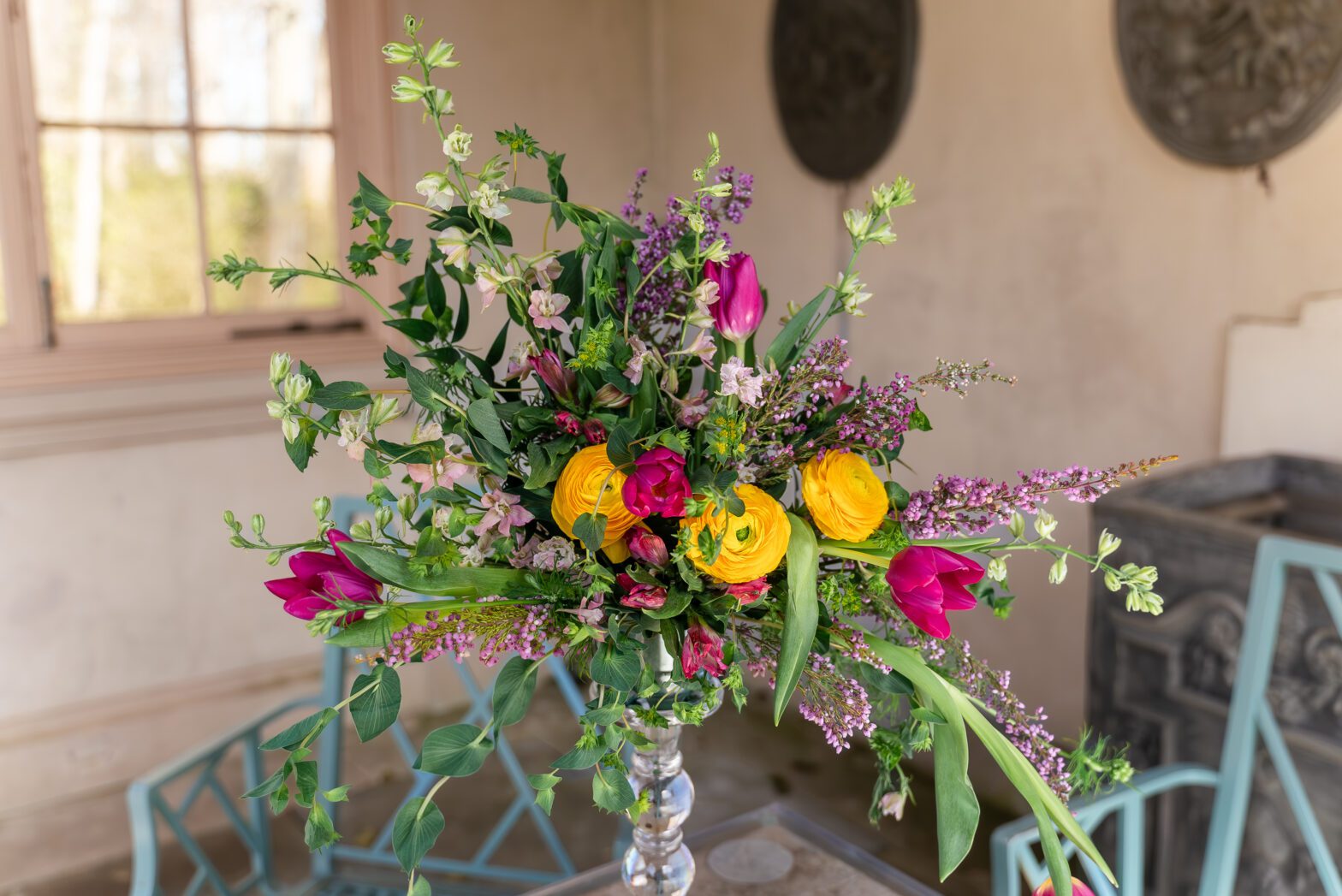
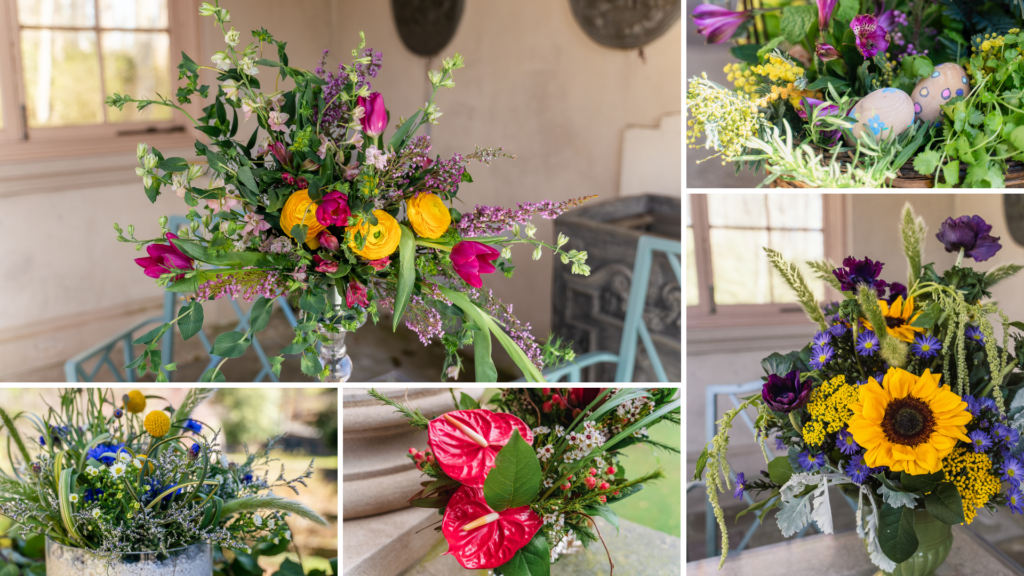
Go behind the blooms with Winterthur Floral Supervisor Heidi Militana and her talented team of designers.

Bancroft Woodcock and the Delaware Antiques Show

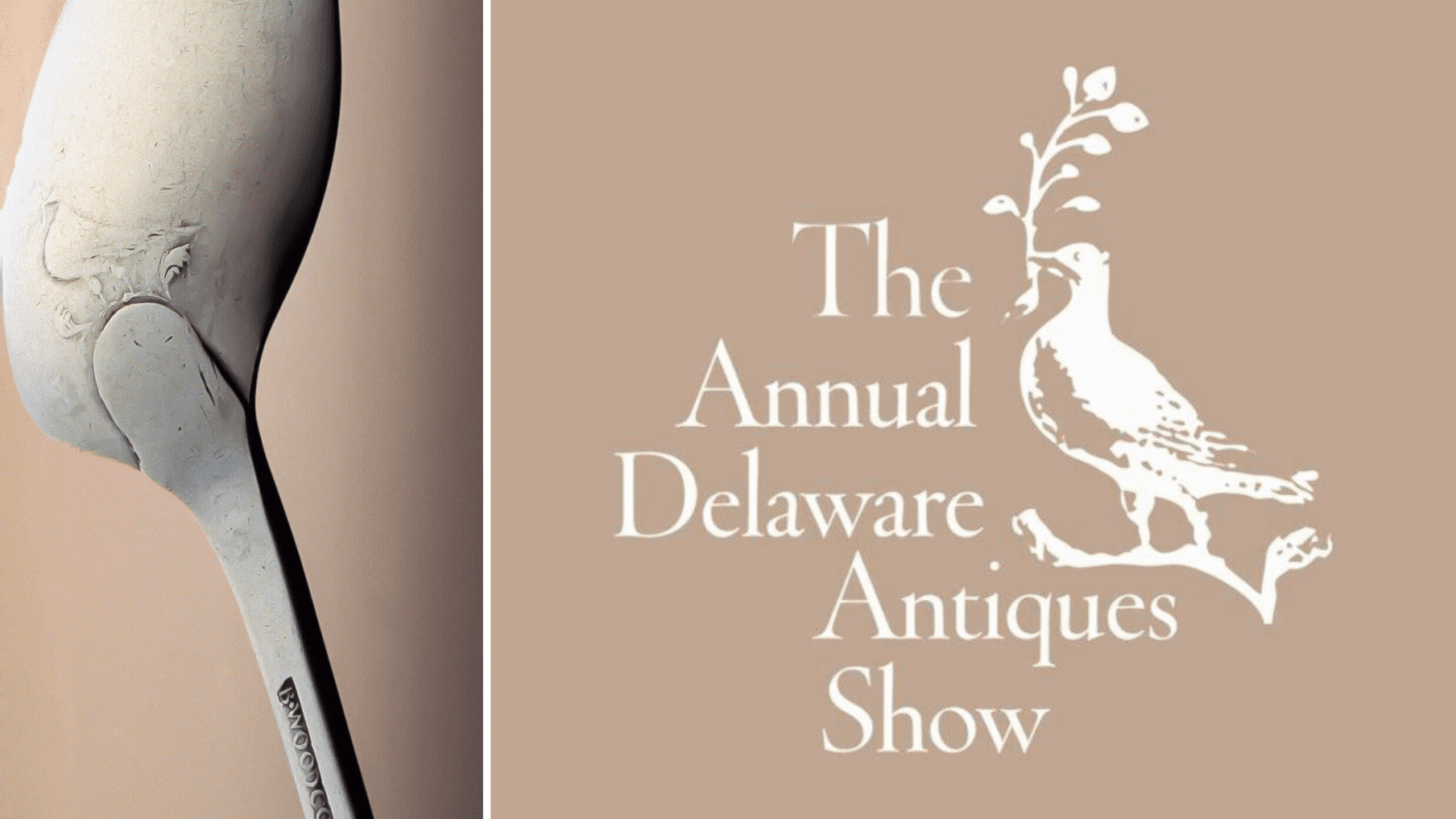
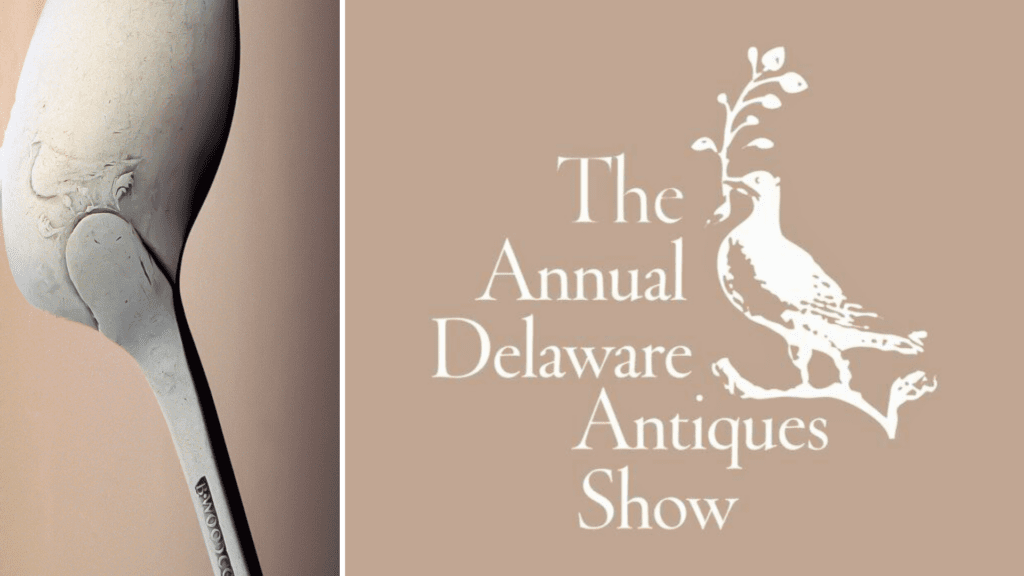
For more than sixty years, the Delaware Antiques Show’s recognizable trademark has been the image of a dove with an olive branch in its beak. This stylized motif derives from the design on the underside of a spoon in the Winterthur collection made by Bancroft Woodcock (1732–1817), a Quaker silversmith who worked in Wilmington, Delaware, from 1754 to the early 1790s. 

But why decorate the underside of a spoon? According to Donald L. Fennimore, Winterthur curator emeritus in Flights of Fancy: American Silver Bird-Decorated Spoons, the reason stems from a technical issue. On silver spoons, the juncture of the bowl and handle is a potential point of weakness because of the softness of the metal. Silversmiths therefore thickened that juncture to provide increased rigidity. They then made the area more attractive by ornamenting it with a variety of decorative motifs, including scrolls, shells, and images of birds. 

As Fennimore wrote, “In a brief but intriguing period between 1750 and 1830, imagery on the backs of English and American silver teaspoon and tablespoon bowls soared on the wings of birds.” Although numerous varieties of birds appear on English spoons, silversmiths in America invariably chose the dove with olive branch—a symbol of renewal and regeneration that has been used for millennia in both a religious and secular context. 

The Bancroft Woodcock dove with olive branch design was registered as the official trademark of the Delaware Antiques Show in 1964, the first year of the show. Since that time, the familiar insignia has continued to symbolize the quality and professionalism exhibited at this annual event.